Showing posts with label baggage. Show all posts

Tuesday, August 20, 2013

Flying with Mexican Discount Airlines

Tips for Finding Routes and Fares

By Suzanne Barbezat, About.com Guide

Air Travel in Mexico Photo courtesy of Alma de Mexico
 

Mexico's two major airlines, Mexicana de Aviacion and Aeromexico were publicly owned and dominated the Mexican air travel market for many years. Fares were exorbitant, so the majority of Mexicans and tourists traveled by bus. Since the privatization of these airlines, several Mexican discount airlines have entered the scene, creating competition and bringing airfares down.

In the past budget travelers didn't even consider traveling by air within Mexico, and they spent many long hours on buses. Bus service in Mexico can be excellent - with varied levels of service and good coverage throughout the country, but Mexico is big, and bus travel between destinations can take a very long time. So budget travelers can now rejoice that air travel in Mexico is now a viable option.

There are a few caveats. Travel aggregators often do not include Mexican discount airlines in their searches. So finding and booking flights can require quite a bit of research - you'll have to visit the Web Site of each airline, plug in the origin, destination and dates you would like to travel and compare prices. It is worth the effort, however, because you can find some great deals - and spending the time in front of your computer ahead of time can end up saving you a lot of travel time that you would otherwise spend sitting on the bus.

When searching for airfares with Mexican discount airlines, keep these points in mind:

  • Spanish only: Web Sites of some airlines are in Spanish only. Look for a little US flag to switch to an English version if one is available.
  • Prices in pesos: Don't be dismayed when you see a fare is $1500 - that's pesos not dollars. Ten pesos is roughly equal to one US dollar, so divide the price by ten to get a rough idea of what the fare will cost you.
  • Taxes and fees not included: The original price listed generally does not include taxes and fees. You will see the total price after selecting your flight (but before entering your personal information). Taxes and fees can be astronomical - sometimes up to 40% of airfare.
  • No paper tickets: The majority of Mexican discount airlines operate without tickets. Instead of receiving a paper ticket you get an online reservation code and itinerary to print out. At the ticket counter you give your reservation code and show your ID in order to receive your boarding pass.
  • Alternate airports: Mexican discount airlines may fly out of alternate airports instead of main hubs - many fly in and out of Toluca (50 km from Mexico City) in order to avoid Mexico City's overcrowded Benito Juarez International Airport. A few airlines do offer shuttle service between airport and main destinations.
  • Changes and cancellations: Most discount airlines allow changes to reservations before the flight, and change fees are reasonable. Check your airline for deadlines for changes. Cancellations are usually not allowed, nor is it permitted to change the name on the ticket.
  • Baggage weight limits can be restrictive so be sure to check that you don't go over. If you do exceed the limits you can expect to pay extra fees.
Good luck, and happy flying!

Tuesday, August 6, 2013

Tipe for navigating airport security


choice1.com

Have you planned a summer vacation? And after you’ve booked your travel and vacation rental, here are some tips that will help reduce your wait time at your airport’s security checkpoint.

Before you get to the airport:

  • Do NOT pack or bring prohibited items to the airport. Here’s a link to a complete list of “prohibited items” on the U.S. government’s Transportation Security Administration website (please note that this file is in Adobe PDF format).
  • Place valuables such as jewelry, cash, laptop computers, and cash in carry-on baggage only.
  • Avoid wearing shoes, clothing, jewelry, and accessories that contain metal. Metal items may set off the alarm on the metal detector.
  • Put all undeveloped film and cameras with film in your carry-on baggage. Checked baggage screening equipment will damage undeveloped film.
  • If you wish to lock your baggage, use an approved lock. Here’s a link to list of TSA recognized locks.

After you get to the airport:

  • Keep available your airline boarding pass and government-issued photo ID for each adult traveler until you exit the security checkpoint.
  • Place your cell phone, keys, loose change, money clip, or anything on your person that will set off a metal detector in your carry-on bag.
  • Take your laptop and video cameras with cassettes OUT of their cases so they can be x-rayed at the security checkpoint.
  • Take OFF your outer coat, jacket, or blazer so it can be x-rayed at the security checkpoint.

Have a great vacation! 


Saturday, July 27, 2013

Before You Go: Travel Tips for Retirees

money.usnews.com
By Steven HolbrookJuly 9, 2013
 
How to prepare for your next travel adventure


Whether you want to visit Pamplona to witness the running of the bulls, Florence to see the Duomo, or Santorini to check out the volcanoes, retirement is a time for you to enjoy more travel. However, it's important for retirees to adequately plan for traveling, as it can be a taxing experience for the ill-prepared. Here are several preparations retirees can make to ensure a safe and enjoyable trip:

Pack smart. Packing your luggage correctly can make your trip easier. Travelocity Senior Editor Courtney Scott suggests using lightweight luggage, like the Tumi spinner bag, which comes in red, pink, or a floral pattern and can be spotted easily in a sea of black bags. "When you're buying luggage, comfort and mobility are key," she says.

Mark Chimsky, editor of "65 Things to Do When You Retire," suggests packing light. "Learn to conserve the amount of clothing you take, and that will serve you well wherever you travel," he says.

Prepare for emergencies. Packing an emergency kit with essentials is a good way to be prepared while on the road. "It's important for retirees to make a 'travel-go' bag," Scott says. "It should contain everything you need to keep you and your traveling partner hydrated, healthy and safe."

The last thing you want is to run out of your medication, so be sure to bring a full supply plus an extra week's worth of pills, says AARP Travel Ambassador Samantha Brown. If you're traveling overseas, she also suggests asking your doctor to write down generic names of your medications since other countries may have different brands. "You don't want anything lost in translation," she says.

Other useful items include extra water, copies of your passport and other identification documents and hand sanitizer or hand wipes. In addition, Scott recommends packing a padlock and doorstop in your emergency kit "for extra protection in your hotel room." Tech-savvy retirees should pack extra smartphone and tablet chargers. "Long gone are the paperbacks and travel guides. You're going to be using a map or guide on your smartphone or tablet, and you want to make sure you can have those charged," Scott says.

If you're traveling abroad, consider enrolling in the U.S. Department of State's Smart Traveler Enrollment Program, a free service that allows you to register your trip with the State Department so officials can more effectively assist you in an emergency, as well as update you with information from the U.S. embassy or consulate nearest to you. "[The program] allows you to register with the government exactly where you'll be and when," Scott says. "It just adds another layer of protection."

Consider your health. It's generally a good idea to visit your doctor for a quick checkup before you hit the road. "Obviously, you can get any immunizations or vaccinations that you'd need if you're travelling," Scott says. "But, if you're a retiree, you also get the comfort of having a clean bill of health before you take off for three weeks." It's also smart to research medical facilities near your destination, and Chimsky suggests finding out what procedures can be performed. "Whether you need them or not, it's helpful psychological insurance to know you can be safe wherever you travel," he says.

Plan ahead. Locate important facilities, including local hospitals, pharmacies and grocery stores, before you leave. If you're traveling overseas, find U.S. embassies or consulates, and write down your destination's national emergency call number. "I don't think that you should walk around the town you're arriving in and make an actual check of where things are," Scott says. "You should just have that on hand or stored on your computer somewhere."

Frequent travelers may want to consider enrolling in the U.S. Customs and Border Protection's Global Entry program. For a $100 application fee, Global Entry allows a significantly accelerated entry process upon returning to the U.S., making your time in the airport much briefer. "One of the biggest nuisances for retirees is waiting in extraordinarily long lines at customs," Scott says. "Global Entry expedites your re-entry into the U.S."

Research destination activities. Scott recommends visiting blogs and websites that cater to an older demographic, like Journeywoman.com, which can help with trip planning. "[Retirees] usually have a bit more experience and are looking for more cultural activities," Scott says. "Look for unique experiences that will enrich your vacation." Brown advises signing up for a Twitter account and following the agencies and companies you will be traveling with. "You'll [see] deals and ideas of what to do at your destination," she says.

Call your hotel before you arrive. Brown suggests requesting a room close to the elevator to reduce walking time. "Also, ask ahead of time if the room is over the hotel bar, restaurant, ballroom or any room where people will be partying late into the night," she says.

Leave room for spontaneity. "Leave yourself open to making wrong turns," Chimsky says. "Don't always stick to a rigid itinerary because that's where spontaneity comes into travel, and you can make some totally unexpected discoveries."

With these tips under your belt, and the proper preparation, your vacation should be a breeze.


Friday, July 19, 2013

Travel Checklist for a Romantic Week in Mazatlan, Mexico

Nicole Vulcan, Demand Media
usatoday.com


If you're headed for a romantic week anywhere in Mexico, what you'll need to bring depends on how often you plan to leave the hotel. If you're planning for a lot of time sequestered with your honey, the packing list could consist of merely a swimsuit to wear to the beach. Chance are, though, that you'll be spending at least a little time exploring what the local area has to offer. In Mazatlan, that includes nightlife, beach life, and plenty of opportunities to get close to nature.


The Basics


Since the beaches are often first on people's minds when they plan a trip to Mexico, you and your sweetie will want to make sure you are prepared for a little beach time. You'll definitely need at least one swimsuit, though having an extra can be handy for times when your suit hasn't quite dried from the last dip in the Pacific. Your hotel will likely have all the beach towels and chairs you need, but don't overlook the other essentials that will ensure you don't spend your vacation holed up like a burned piece of toast. A sunburn is not very conducive to snuggling. Bring sunscreen -- hotels charge a premium to buy it on-site -- as well as a sunhat, sunglasses and a cover-up such as a small robe or T-shirt.
 

Active Adventures


Mazatlan has much to offer in the way of outdoor exploration. Tufted Jay Preserve outside the city is a destination for hiking and birdwatching, while the islands, Isla de Chivos, Isla de Pájaros and Isla de Venados, feature wildlife refuges and snorkeling on your own or with a group tour. If romantic jungle hikes are your thing, be sure to bring sensible hiking shoes with good soles. With temperatures ranging from the high 60s to the mid-80s, Mazatlan is definitely on the warm side most of the year.

As such, a pair of low-cut hiking shoes and low-cut socks will help protect your feet while keeping you cooler than high-top hiking shoes. Also pack a lightweight pair of pants and lightweight T-shirt, as well as a bottle of insect repellant to deter any bugs you may encounter in the jungle -- a serious mosquito attack can put a damper on your vacation. Summertime is also the rainiest season, so bring along a light rain jacket if you're headed there in June, July or August.
 

Nightlife


Mazatlan boasts a huge Carnival celebration during February, so if you're headed there around that time, be prepared to party in the streets -- and bring along your festival gear. Other times, you'll find a decent amount of nightclubs, bars and restaurants to fill your nights. For men, typical club attire includes a button-up or collared shirt with lightweight pants. Women can get away with showing a bit more skin; a basic tank dress or short sleeved shirt and skirt is acceptable for the nightclubs in Mazatlan. Flip-flops are not the footwear of choice for Mexican people visiting a club or restaurant, but in most cases they'll be perfectly acceptable.
 

At the Hotel


Pack a few extras to unwind after an adventurous day. Since there's a good chance you got plenty of sun, be sure to bring aloe vera or a soothing massage oil. While most hotels offer some kind of room service, and many stores in Mazatlan have some of the snacks you might find at home, they'll likely charge an arm and a leg. If you plan to spend a lot of time in the hotel, consider bringing a few of your favorite snacks -- or better yet, surprise your sweetie with favorite sweets and snacks. Don't forget the fun things to while away the time, including card games and books that you and your partner enjoy.


Thursday, July 11, 2013

Tipping in Mexico

mexico.com


Tipping in MexicoTo tip or not to tip? You should tip. Just like in the U.S., most employees in the services sector in Mexico, especially the hospitality industry, depend heavily on tips. Their minimum wages are quite low, with some not even earning a wage at all, making tips especially important. Here are a few guidelines, listed in U.S. dollars, as the Mexican peso fluctuates quite a bit.

Naturally, larger tips are always appreciated, especially if you feel that the service you have received was truly outstanding.

At Restaurants
Before you tip in restaurants, bars, and even snack bars in large hotels, check your tab and see if a service charge has already been added to the total. Service charges are quite common. While you may want to tip an additional amount, it's best to know if the tip was already included in the bill.

Wait staff at restaurants: You should tip between 15 and 20 percent of the check, just as you would do in the U.S. Speaking of the check, Mexican restaurants don't rush your meal, and will only bring you your check after you have requested it, allowing you to linger at your table.

Bartenders: A good guideline to follow is $1 a drink or around 10 percent of the total bill if you are not paying per drink.

Bathroom attendant: At many upscale hotels and restaurants, there's a bathroom attendant to hand you a towel, smooth over your bad hair with some hairspray and give you an emergency Band-aid or some gum. You should tip the equivalent of 50 cents to $1.

For Transportion

Taxi drivers: Tips are not expected, but certainly appreciated. If the driver assists you with your luggage, tip 10 percent of the fare.

Drivers: If you hire a driver (could be a taxi driver or a driver associated with the hotel) to go on excursions, you should tip around $5 a day.

Gas station attendants: Tip the attendant who pumps your gas and cleans your windshield 50 cents to $1. Tip more if the attendant also checks your vehicle's tire pressure, oil levels, etc.

Car watching and parking assistance: Many parking lots outside of shopping centers and strip malls have attendants equipped with whistles who help you navigate out of your spot or locate a parking space. These attendants will also watch your car for you. When you return from your trip, tip them the equivalent of 50 cents to $1.

Valet parking: Tip $1 to $2 on top of the valet parking service charge when you pick up your vehicle.

At the hotel

Hotel guest room attendants (maids): You should tip the peso equivalent of between $3 and $5 a day. While many travelers like to leave the tip when they check out, it's best to leave a tip every day, as the rooms are not serviced by the same person every day. Be sure to leave the tip on the pillow or on the bed -- making it obvious that it's intended as a tip.

Bell hops at hotels: $1 per bag.

Concierge: If you are asking the concierge for directions or dinner recommendations, a small tip in the $2 range is appreciated. If the concierge makes substantial arrangements for you (getting you tickets to a sold-out show, arranging a hard-to-book tour), you might want to tip $5 to $10.

Other

Street vendors: If you buy something from a street vendor (gum, fruit cup, paper, etc.), leave a few peso coins or tell them to keep the change ("quédese con el cambio").

Luggage assistance at airport: $1 per bag.

Tour guides: At least 10 percent of the cost of the tour.

Monday, July 8, 2013

Mazatlan Airport Information


Mazatlan Buelna International Airport MZT serves the western Pacific coast and State of Sinaloa, Mexico and is one of the country's major tourist destinations. It is operated by the OMA Group, which also operates the closest Culiacan & Durango airports, 202-216km away.

The Airport is a 30-minute drive from the city of Mazatlan, and can be reached via the Mexico 15 highway (Tepic-Mazatlan).

With one long runway and 669,407passengers in 2012, Mazatlan Buelna International Airport is served by domestic airlines offering direct flight to Mexican destinations, while United Airlines offer direct flights to Houston Intercontinental, with connections worldwide. Charter flights from Canada are available from Sunwing.

The passenger terminal at Mazatlan Buelna International Airport houses Concourses A & B and their departure gates, with 4 jetways, 8 contact and 4 remote airplane positions. Gates 1-10 are on level 1, while gates 11 and 15 are on level 2. The baggage claim area has 4 carousels, Customs and taxi & rental car counters. A food court is on the main & upper level and duty-free shops are on the main corridor. Books and magazines are located in Retail Spaces H & J. ATM machines from Banamex & HSBC are on the lower level. Rental car kiosks are located in the Arrivals area. ICE currency exchange is available on the lower level - cash & credit cards accepted (tel. 69 985 4447). Outside the terminal is a roofed area exclusively for passenger pickup/dropoff.

Parking at Mazatlan Buelna International Airport is available in the parking lot across from the terminal and offers short- and long-term parking. You must pay your parking fee inside the terminal at either at the automated payment machine, using cash only, or at the manned payment booth accepting cash, Visa & MasterCard. Cash payment must be in pesos.

To get from Mazatlan Buelna International Airport to your destination, you can rent a car, take a taxi (200-300 Mexican pesos or $20-$30 into town) or a shared-ride van. The taxi stand is outside of the terminal on level 2. MZT Mazatlan Airport Transportation (tel. 1-877-462-6292) offers authorized & certified Airport transfers to all Mazatlan hotels & resorts in new air-conditioned 7-passenger vans, buses or taxis, depending on the number of travelers. For shared service there are 1-2 stops; for private service no stops in between. Drivers are bi-lingual.


Saturday, June 29, 2013

Packing List for Mexico


Stephanie Mojica, Demand Media

    
Whether you’re driving or flying to Mexico for a sunny cultural vacation, you need to pack several items beyond your favorite clothes and books that you might not necessarily bring on a trip to other regions of North America. You must also bring a valid passport or passport card to re-enter most countries from Mexico, according to the U.S. Department of State. Finally, you’ll also not likely want to leave home without a sunscreen and bathing suit because of Mexico’s usually warm weather.

Electrical Adapters and Converters

The electricity in Mexico is not the same voltage as in the United States and Canada, although the outlet plugs have the same shape, according to Let’s Go Travel. If you plan to use a cell phone charger, laptop, hairdryer or other electrical appliance while visiting Mexico, make sure you have adapters and, if necessary, converters for the 120/127V current of the country.

Toiletries

Although toiletries are widely available in many parts of Mexico, your favorite brands might not be so easy to find there, according to Let’s Go Travel. Bring extras of any essential items such as toothpaste, a toothbrush, shampoo, conditioner, soap, shaving implements and tampons or sanitary napkins. Also, if your trip involves potential sexual activity and you use condoms as a form of protection, be sure to bring some with you.

Contact Lenses, Eyeglasses and Medications

Bring plenty of contact lenses, eyeglasses and medications with you as well as any prescriptions, according to Let’s Go Travel. You may not be able to easily replace these in Mexico. Also, the Evangelical Lutheran Church of America recommends those traveling to Mexico to bring extra contact lens solution and to pack all essentials such as medication and eyeglasses in a carry-on bag.

Safety-Related Items

It’s always a good idea to bring a money belt or small daypack to Mexico, according to Let’s Go Travel. A small padlock can protect some of your valuables; a basic sewing kit as well as electrical tape can also help you mend your clothing if any unexpected tears happen during your trip. A first-aid kit is usually essential, especially if you plan on going into remote areas or spending a lot of times outdoors in Mexico. Other safety-related items you should pack for an outdoor adventure in Mexico include a compass, plastic water bottle, waterproof matches and a hat.

Monday, June 17, 2013

35 Tips for a Successful Flight

Avoid a serious case of cabin fever with these 35 tips to keep you—and, more importantly, your kids—happy, healthy, and distracted on even the longest flight.


Always pack an inflatable beach ball in your carry-on!
(Jon Cannell)
 

9 Smart Ways to Keep Kids Entertained


SCULPT A MASTERPIECE My daughter had a great idea to keep her five-year-old (and the rest of us) entertained. She brought a roll of aluminum foil, and we spent hours "sculpting" hats, flowers, wings, and anything else we could imagine. The time flew by, and it was a breeze to clean up. Honey Pettigrew, Danville, Calif.

SCULPT ANOTHER MASTERPIECE When I travel with my kids, I always stow a package of colorful pipe cleaners in my carry-on. Being creative and twisting them into various shapes keeps them busy for hours. The best part? Pipe cleaners aren't messy or loud, and they don't take up a lot of space. Meghan A. Usmani, Queensbury, N.Y.


GO ON A SCAVENGER HUNT To keep my three kids quiet while flying or on a road trip, I created the Magazine Scavenger Hunt. I look through three different magazines and find an item for each to look for, such as a lady with green shoes or a cherry pie. You can customize the difficulty level for any age. Each time, the winner gets a quarter, second place a dime, and third place a nickel. Sure, the game costs a bit of money, but we then use their prizes as souvenir money. Tiffany Bloshenko, Dallas

CHANNEL YOUR INNER MARY POPPINS Nothing quiets children faster than a new plaything! So before taking a trip with the kids, I spend $20 for 20 toys at the dollar store. I take out one at a time, and when the thrill is gone I take out another. The plane ride is over before they know it! The toys also come in handy for other children on the plane. A dollar is worth it to stop a crying child three rows up! Cheryl Dela, Buffalo, N.Y.

... OR YOUR INNER JIM HENSON When there's a fussy kid near me on a plane, I tear out a page from the in-flight magazine and fold it into a puppet—the same design as the paper fortune tellers we made when we were kids—and then draw on two eyes. The little ones are usually so amused that they stop kicking the seat in front of them, giving me—and their parents—a much-needed rest. Toby O'Brien, Hurricane, Utah

MAKE FRIENDS WITH THE NEIGHBORS Before I took my son on his first flight, I printed out stickers saying: "I'm sorry if I'm a little fussy. This is my first flight, and it's a bit overwhelming. My parents are doing the best they can, and they appreciate your patience. Owen, 8 months." I attached the stickers to candy bars that I gave to nearby passengers. We all enjoyed the flight! Carrie Rodriguez, Beaverton, Ore.

FINISH UP YOUR HOMEWORK My kids often end up doing homework on the plane. To avoid having to pack a lot of paper in my carry-on, I create a makeshift dry-erase board by mounting a plastic sheet protector on a piece of cardboard. We slip math problems inside and work them out with dry-erase markers. We can wipe the surface clean and retry as many times as necessary without wasting paper. Gloria Carion, Cincinnati
 

KEEP YOUR KIDS DISTRACTED My child receives countless goodie bags at birthday parties. I stow the small toys (crayons, stickers, games) away for when we fly. They're the perfect size for carry-ons, and we don't care if they get lost. Onboard, I can dole them out and prevent those "terrible twos" tantrums. Susan Goldman, Beverly Hills, Calif.

TENT YOUR TODDLER For quiet time on a plane, clip one end of an airline blanket under the top of the folded-up tray and the other end under the headrest (behind the child). Voilà: You have a "tent" that lets your toddler take a better nap on the plane. We put this together one night when we were stuck on a runway for almost six hours, and it saved a very bad travel day. My child rarely naps anymore, but he still asks for an airplane tent, if only to play inside. Roy Youngblood, Chicago, Ill.

14 Tricks for Relaxing While You're in the Air


GET A MASSAGE Treat yourself to a golf-ball foot massage. During a long flight, or afterward in your hotel room, take off your shoes, put a golf ball on the floor, and roll it under your foot. It's a great stress reliever. Practice a bit before you try it on a plane, so that your ball doesn't go rolling down the cabin, tripping other passengers. Dawn Yadlosky, Centerville, Ohio

TAKE A NAP On long flights, I bring a one-gallon plastic bag with a large safety pin stuck through the corner. I put my eyeglasses case, a small hearing aid pouch, a deflated neck pillow, and some sleeping pills into the bag and pin it to the seat in front of me. When I'm ready for some sleep, I take out and inflate the pillow, swallow a sleeping pill, and place my eyeglasses and hearing aids inside the bag. I never have to worry about sitting on or losing my glasses and aids. Stewart Woodward, Lafayette, Colo.


BLOCK OUT THE NOISE To block out noise on a long flight or in a noisy hotel, I downloaded an 80-minute white-noise track from iTunes onto my iPod. I keep the track on repeat, and it works wonders. It was only $10—which is much cheaper than a sound machine or noise-canceling headphones—and since it's on my iPod, I don't have to pack anything extra. Kim Paschen, Philadelphia, Pa.

VISIT THE SPA FROM YOUR SEAT Flights tend to dry out my skin and sinuses, so I always pack a rolled-up washcloth in my carry-on. During the flight, I ask the flight attendant for a cup of hot water, then dip the washcloth and place it over my face. Breathing in the steam helps my sinuses, and the warm, damp cloth hydrates my skin. Meekyung Chung, West Bloomfield, Mich.


TAKE A BREAK FROM EVERYONE I like to sleep on the plane, but I don't like how eye masks block everything out. Instead, I wear sunglasses. They still shut out much of the harsh airplane light, making it easier to sleep, but I can also see around me when I need to. Even better, people don't bother me because they can't tell if I'm asleep or not. Katherine Boury, Seattle

WEAR YOURSELF OUT I always try to work out before heading to the airport. It usually gets me tuckered out enough that I can relax and sleep on the plane. If I don't have time for pre-travel exercise, I take a brisk walk through the terminal before boarding or find a quiet spot in an empty gate and practice a little yoga. Kimberly Gilbert, Raleigh, N.C.

PACK A PILLOW Therm-a-Rest's Compressible Pillow is perfect for the plane. It comes in three sizes, packs smaller and expands bigger than any other pillow, and is machine-washable. Whenever I pull mine out of my carry-on, I get jealous stares: People always ask where they can get one. REI sells the pillows for $15 to $25, depending on the size (rei.com). Sheila Lauber, Anderson Island, Wash.

BRING YOUR OWN LINENS They're useful in a million different ways. Obviously a soft cotton pillowcase makes those scratchy airplane pillows bearable, but it can also be used to gather loose items when deplaning. A nice sheet will cover up an ugly bedspread or sofa, and makes a great tablecloth or picnic blanket. Dori Egan, Pleasant Hill, Calif.

TAKE A "BATH" For long, overnight flights, pack a dry washcloth in a Ziploc bag in your carry-on. Right before landing, ask the flight attendant for a cup of hot (not boiling) water. Very carefully pour the water into the Ziploc bag and then wipe your face and hands with the steaming cloth. It's like having a portable sauna! Henrietta Scarlett Ober, Rexford, N.Y.
 

PAMPER YOURSELF Create your own comfort kit—the kind that a few international airlines still give their first—and business-class passengers. Fill a Ziploc bag with some lip balm, a travel toothbrush and toothpaste, a small bottle of hand lotion, a sleep mask, a pair of socks, and some eye drops. Don't forget to bring a bottle of water, too. Carolyn Whitman, Gulf Breeze, Fla.

HAVE A BALL I always pack an inflatable beach ball in my carry-on for long flights. When I'm ready to sleep, I just blow it up, put it on my tray table, and curl over it to sleep. I don't have to worry about my head bobbing from side to side as I sleep, and I never have a sore neck when I wake up. Connie Race, Tooele, Utah

HAVE A BALL, TAKE TWO A beach ball can replace many expensive in-flight gadgets. Depending on how much you inflate it, the ball can function as a very comfortable footrest, as back support, or as a lap pillow to support your book. Dorothy Vincent, New York, N.Y.

REST YOUR FEET Many airlines give passengers socks to wear on long international flights, but we all know what a sad mess airplane lavatories can be after a few hours. I keep a pair of rubber-soled slippers in my carry-on and slip them on as soon as we're airborne. My feet stay comfortable during the flight and dry when I use the lav. When it's time to take them off, I slip them into a plastic bag (usually one of the free laundry bags found in the hotel room closet) and tuck them away till my next flight. Lori Lamb, Peoria, Ariz.

DON'T MIND THE MIDDLE The middle seat isn't always awful. On a recent trip overseas, I called too late to confirm an aisle or window seat. After explaining the plane's AB-CDEFG-HI configuration, the customer service agent urged me to take the very middle seat, E, because D and F have less footroom. (In some rows, there are metal boxes underneath the seats in front of you that house wiring for onboard electronics.) I went along with her advice somewhat skeptically, but I ended up with plenty of room. The people on either side of me weren't so lucky. Audrey Ting, Secaucus, N.J.


Tips for Staying Healthy In Transit


WIPE GERMS AWAY Are you tired of catching colds while traveling? Take along a travel-size package of Clorox wipes. Disinfect the tray table and armrests on the airplane, and the telephone and TV remote in your hotel room. Sherill Hacker, Williamston, Mich.

EAT A HEALTHY BREAKFAST I always bring a packet of instant oatmeal in my carry-on bag during morning flights. Then I simply ask the flight attendant for a cup of hot water, and I have an easy and healthy breakfast on the plane. Christina Tuff Saull, Washington, D.C.


KEEP CHEWING If you worry about clogged ears when you're flying, bring along an apple. When you feel the plane begin to descend—about 25 minutes before arrival—eat your apple. The chewing and swallowing will keep your ears in good shape. I'm an airline pilot, and I always bring a couple of apples and have a flight attendant give them to passengers who complain of ear problems. They work every time! Capt. Mike Filippell, Tower Lakes, Ill.

COOL OFF IN STYLE Now that airlines serve either snack boxes or no food at all, we often pack sandwiches. I also like to freeze a bunch of grapes and place them in a freezer bag. They'll keep your lunch or dinner cold, and you'll have a snack when they defrost. Patricia Spillane, Warwick, R.I.

KEEP IT CLEAN On a flight to New Zealand, the pilot informed us that the aircraft cabin was pressurized to 8,000 feet above sea level. This became apparent when I opened my dinner container of yogurt and had its pressurized contents spray all over me! Place a napkin over containers (salad dressing, condiments, etc.) as you open them—or point them toward the nearest offending seatmate. Guido Hara, San Luis Obispo, Calif.

BRING A BRUSH I always like to brush my teeth on long flights, but with the new carry-on restrictions, I thought it would be a problem. Then I found Eco-DenT tooth powder at Whole Foods (along with Burt's Bees Rosemary Mint Shampoo Bar). You can carry both products on board. Anna J. Ware, Atlanta, Ga.

FRESHEN UP For overnight flights, pack a few Dove Body Refreshers and Oral B Brush-Ups in your carry-on. Before the plane lands, you can "wash" your face and "brush" your teeth, leaving you refreshed and ready for the day! Janice Pruitt Winfrey, Atlanta, Ga.


AVOID MOTION SICKNESS Besides being a tasty treat, candied ginger is a preventative or remedy for motion sickness. (Some cruise ships even offer it with after-dinner mints.) We always carry a small supply with us in a resealable plastic bag, whether we're on the road, in an airplane, or at sea. Weyman Lew, San Francisco, Calif.

BREATHE EASY If the dry, recycled air on planes makes you stuffed up, take a half-dose of moisturizing nasal spray, such as Afrin, before you board. The spray keeps your nose from drying out and overproducing its own moisture (which is what causes stuffiness). My doctor recommended this trick. Karen Van Brunt, Issaquah, Wash.

3 Most Popular Ways to Pass the Time


RESEARCH YOUR DESTINATION Ask your flight attendants for dining, lodging, shopping, and sightseeing advice. Most crews have up-to-the-minute recommendations gleaned from layovers, which they're more than happy to share with passengers. You can count on flight attendants to seek out budget treasures—I know; I've been married to one for over 21 years! Fred Manget, Potomac Falls, Va.

CATCH UP ON YOUR FAVORITE SHOW I download TV shows to my iPod to watch while I fly. I was having trouble figuring out a way to watch hands-free until I discovered that the plastic cups that airlines serve drinks in are the perfect size and shape to prop up an iPod. Put a cup on your tray table and place the iPod inside; the screen will be just above the lip-the perfect position. Everyone I've shown this trick to says it works great. Kristi Wright, Norman, Okla.

READ A CLASSIC BOOK Download free audiobooks online. Before my last long flight, I went to LibriVox.org and chose a bunch of books, short stories, and poems to download to my iPod-for free. The site has both adult and children's books (Pride and Prejudice, A Little Princess, The Call of the Wild), and the list is growing. All of the titles are in the public domain and they're read by volunteers, so there's no question of copyright infringement. Even if you don't own an iPod, you can download them to your computer and burn them onto a CD. Diane Bowman, Huntington Beach, Calif.


Saturday, June 15, 2013

The Top 5 Airport Travel Secrets

petergreenberg.com


We’re headed into the peak summer travel season, but you can beat the crowds. The secret is to Know Before You Go.

This week, we’re trying something a bit different. We’re offering a 360 guide to surviving the summer airport crowds with the top five airport tips from Alyssa Caverley’s Know Before You travel series. We’re talking about what to pack, how to fit it all in a carry-on, how to upgrade in economy class, how to pick the right security line and how to behave in flight.


5. How to Behave On a Flight


Summer travel means more families flying and more kids on planes. But don’t be the person just complaining about the crying baby, instead be the change you want to see in the travel space. Help a parent out. It’s one of the five essential rules of airplane etiquette.


4. How to Upgrade an Economy Class Ticket


If you have a long summer flight or want to make sure your carry-on makes it on the cabin, then it’s time to consider upgrading to a preferred economy class seat. These days buying an upgrade is not just about buying an expensive business or first class ticket. Instead, discover these affordable economy class upgrades that can change the experience of flying coach.


3. How to Avoid Fees & Pack it All in a Carry-On


These days, unless you have status on an airline or are flying Southwest, you’re probably paying to check a bag. Instead, you can pack for a trip in just one bag. Find out the best luggage, helpful packing apps and some smart packing practices to fit all your travel gear into that carry-on.


2. How to Prevent Your Luggage from Getting Lost at the Airport


Okay, so you didn’t carry-on and know you’re spending the whole flight worrying about lost luggage. There’s a better way. If you have to check a bag, there are the updated tools and technology to help you prevent lost luggage and recover your bags if the worst case scenario happens.


1. The Fastest Way Through Airport Security


Getting through airport security can be one of the most exhausting and stressful part of your trip. Not to mention the increased waits. But you can pack smart, dress properly and even pick the right security line. Here’s the secret to the fastest way through security.


For more summer travel secrets, don’t miss The Time to Book Summer Travel is Now.
 
By Alyssa Caverley for PeterGreenberg.com


Tuesday, June 4, 2013

Making the right health preparations for international travel

  • airplane


As travel season begins to warm up, and millions of people hit the airways and highways, knowing how to prepare yourself from a health standpoint is part of being savvy on the road. Especially if you are planning to travel internationally, taking the right precautions and observing certain rules can make the difference between happy travel and a spoiled trip.

These days, people are venturing further than the Eiffel Tower, choosing even more exotic destinations like Patagonia, Mongolia, Morocco, Namibia or Java. As an inveterate global traveler, I have learned that one important aspect of preparation is getting the proper vaccinations. If you are going to step off into wilder conditions, it’s wise to go to a travel clinic and get inoculations for Hepatitis A and B, yellow fever and tetanus. Is this overkill? Hardly.

Hepatitis A and B are common viral infections of the liver that are easily transmitted. Hepatitis A arises from fecal contamination of food and water, and hepatitis B arises from sexual contact or living in close quarters with someone infected. While the risk of liver failure or death is low in both cases, chronic infection and ongoing sickness are common.

In the case of yellow fever, symptoms can include a simple fever or nausea, vomiting and weakness, as well as liver damage with internal bleeding. Yellow fever is a virus transmitted by Aedes or Haemagogus species of mosquitoes, and it is found in both South America and Asia.

Tetanus is a bacterial infection caused by Clostridium tetani. This bacterium, found in soil, dust and manure, enters the body through wounds. If, for example, you step on a nail that is tainted with the bacteria, you can get tetanus.

In the cases of hepatitis A and B, yellow fever and tetanus, vaccinations renewed every ten years can virtually eliminate the risk of incurring these difficult and occasionally fatal diseases. As the Boy Scouts say: Be prepared.

Drinking pure water is another key factor. If you are in a country where the tap water is suspect, it’s advisable to bring a portable water filter and a water bottle. Sure, you can often buy water in plastic bottles, but sometimes that water is no better than what flows from the tap, and plastic bottles are a huge waste problem. Several companies, like Pur and Katadyn, make easy-to-use water filters that can quickly provide you with clean, fresh, safe drinking water. I’ve been traveling with a water filter since the early 1980s and can’t recommend this highly enough.

Probiotics are friendly bacteria that help to keep your body’s inner colonies of valuable digestive bacteria alive. Doing so can enhance digestion and keep you regular. I am a fan of Pearls IC, made by Wisconsin-based Enzymatic Therapy. These little pearls are easy to take, and they can help to reduce the risk of digestive upset from eating foods in a different culture. In this instance, the bacteria are our friends.

Don’t forget the first aid basics either. A small stash of bandages and some iodine and alcohol swabs can come in handy if you get a cut or a puncture while traveling. Pure Manuka Essential Oil – available at natural foods stores – is an excellent anti-bacterial application. I’m never without these when I’m on the road. Also, if you are going to an underdeveloped nation, it’s a good idea to carry your own syringes. Better to get a needed shot with your needle, not theirs – if it comes to that. Most good travel clinics will give you several to carry.

For last-minute emergency infections, I also recommend that you bring along a small bottle of 500 milligram CIPRO tablets. Ciprofloxacin, a potent broad-spectrum antibiotic, is my last resort remedy if I succumb to a debilitating bacterial digestive infection. If you find yourself on the toilet dozens of times per day, fast in the strangling grip of uncontrollable diarrhea, you could be a candidate for CIPRO. I take one in the evening and one in the morning, and that regimen has never failed me. Use sparingly, and spend on fresh tablets every six months.

On the natural side, bring along Ginger Chews to relieve travel sickness or common digestive wooziness. Ginger works every bit as well as, and often better than drugs. Ginger Chews are also delightful to eat.

Lastly, I recommend that you travel with a good balm or salve for any and all bad things that can happen to your skin. I favor Herbal Ed’s Healing Salve by Herb Pharm of Oregon. Badger Balm from New Hampshire is also good. For sore muscles, a small jar of the potent analgesic Tiger Balm can spell blessed relief.

Everything you need as a health aid can fit into one small bag and should be readily accessible. By following these simple guidelines and remembering to travel prepared, you can eliminate many common hazards as you explore this amazing world

Monday, May 27, 2013

Renting Homes In Mexico

Jan 13
escapeartist.com


Renting  Homes in Mexico
MEXICO BEACH HOUSE RENTAL
 

Who Rents Homes In Mexico?

 
Renting homes in Mexico is easy to do and the inventory has become more plentiful and also more affordable in some instances depending on the region and time of year. However, that could be changing. Let’s explore several of the reasons why and who may be causing this to happen. In general terms the entire country of Mexico has been suffering from the negative press field day being held at every opportunity by the media regarding the drug wars in Mexico. In spite of this negative press Mexico is still experiencing positive economic growth overall as an emerging economy, while the USA economy is slipping.
 
By far the most compelling reason people rent Homes in Mexico is for vacationing families or friends that want to stay in a home style environment together to cook and party in the privacy of a strategically located beach pad. Another plus to Renting Homes in Mexico are the washers and dryers in these homes so you can wash clothes to avoid over packing and laundry costs. I have also come across some migrating Ex-pats from the USA and Canada who want to rent for six months or up to a year in the area they are considering to buy a home to retire in. If the area ultimately suits them they plan on buying after living in the community and getting a feel for the area and that is starting to affect some availability for certain rental property types.
 
 
Other reasons people are “renting homes in Mexico” is to travel to different regions for extended stays for two or three months at a time then move on to another region. Some of these folks are looking for a place to ultimately settle down while others may be taking in the culture of the region, taking art or cooking classes or Spanish and some move around for the best seasonal climate. Retirees who do not have time restraints are really gravitating to this method because they can shop for food on the local economy and cook meals in their temporary home and economize as well as to have home cooked meals they like. Another reason is to have friends and family join them from time to time on their trek across Mexico.


Happy Children in the Pool
MEXICO BEACH HOUSE RENTAL


As you start investigating “Renting Homes in Mexico” there is certainly no lack of listings and by many authorized and honest real estate agents and home owners that run good businesses and you can rely on them to provide you with a clean abode that is well maintained as advertised. What many of the best rental property owners count on is return ability and referrals to keep their property booked in the peak tourist seasons and beyond.
 
Testimonials from happy customers are sometimes posted on the internet site advertising the property. If you feel a reference would help you make up your mind ask the agent or owner for a contact reference you can call or e-mail that has been there in the past 3 to 6 months.
 

Show Me The Money

 
The moment of commitment to secure your rental home will require a deposit payment in advance. Most of the property managers and owners have PayPal accounts to facilitate the financial
transaction. Though this is a safe way to send and receive money it is not 100% full proof that your deal is not going to be subject to some dispute as to your ultimate satisfaction of the home upon your arrival. By in large there are few disputes as these property owners are dependent on you to make their real estate investment pay off for them and therefore they are motivated to make the business transaction and customer satisfaction a priority.
 
The properties that are in highest demand during peak season are hard to get if you do not book very early and post your deposit. The owners and property managers prompt their return customers to reserve the home early for next years season so it is off the market in peak seasons. So if you find a place that fits your needs and you want to return next year offer to make a deposit early for a discount to assure you and the landlord you both have a solid deal for next season.


The Big O

Vacation Pack
PACK WELL PLAN WELL


If you are a first timer as far as “Renting Homes in Mexico” you need to prepare to set fourth on your adventure with a plan prior to leaving on your trip as it is much different than a resort hotel vacation and it requires planning in detail. The following suggestions may help you plan your BIG trip that is well “ORGANIZED” so you can spend your vacation time relaxing and enjoying the time with family and friends instead of running all over town looking for the things you could have brought from home. This will save you stress as well as money and time, but you have to be smart about the packing as extra bags cost money so what ever you pack has to justify the price of the bag charge and you must keep the weight of the bag within the weight allowed by the airline to avoid additional fees for excess weight. The extra bag that is used for the items you plan to eat while there can be used for souvenirs for the return trip.
 
 
  • Plan the clothes you need by the number of days and events and share a suit case
  • Kids beach toys fins, goggles and inflatable floats for small kids two bathing suits
  • Canned or packaged foods, spices for cooking that special dish and some wine!
  • Docking device for your music if a compatible one is not provided
  • Your prescription meds, Sun blocker, insect repellant, antihistamines, EYE DROPS, aspirin, shampoo and conditioner and a hair dryer.
  • Batteries, flashlight, small first aid kit, wall/car charger for your phone and gadgets
  • Research day trips and print maps to your destinations before departing on vacation
  • Spanish to English translation device or print version plus a good book to read
  • Advise the people you are traveling with where you are going if you go separate ways
  • Let a close family member or friend at home know your daily plans for your vacation


Saturday, May 25, 2013

Top Ten Travel Tips You’ve Never Heard


1. Make sure your suitcase is within your lifting capabilities. There is nothing worse than heaving and grunting under excess weight, the suitcase’s not the owner’s. My problem is that I am such an expert at rolling and bagging all of my clothes that I can fit in twice as much as I should. The items might fit but it makes for a suitcase I cannot lift from the airport baggage carousel, cannot lift onto the bus or lift onto any surface for unpacking. My husband dropped it on his foot trying to hoist it out of the trunk of the car and had trouble walking for days.
2. Never read “What to Pack” lists. They inevitably suggest an item or two that you never would have thought to bring. Now I absolutely need a bandana, inflatable hangers and a universal sink stopper! (See www.OneBag.com) I have never removed an item from my list after reading these helpful aids.
3. Do not accept the little gift packs some airlines give you. It’s free, I know, but takes up unplanned space. Who needs flimsy earplugs and extra eye masks? Be tough. Just say no.
Books
4. Bring a book you don’t mind leaving behind. Never bring a library book. Not only will you have to take good care of it but you will have to lug it back home. A cheap paperback you can leave behind is your best bet. You can even join www.bookcrossing.comand perhaps see who picks it up.
5. This tip is mostly for men but can apply to women. Do not bring all of your shirts (tops) in the same shade. Blue is nice but no one will notice that one has micro stripes in red or that the other has tiny checks in grey. It all looks the same in a picture. Vary the colour scheme. And, please remind me to read this pointer to my husband on the next trip.
Bordeaux
 6. Never try to crack a joke with either a border guard or a French waiter. Both are humourless and can make your life miserable.
 7. Never promise any one back home a specific souvenir. I looked all over South-western France for the perfect scarf for my mother. I could not find one the right colour, size, price or fabric.  I came back with a bracelet.

 8. Never have raw oysters on an empty stomach and a half-hour before going for a boat ride on choppy waters.
Dune de Pyla
9. If you have a rental car that is manual, please try out every manoeuvre before heading down the highway. At our first pit stop, we couldn’t figure out how to go in reverse, i.e. get out of the parking spot. Thanks to a kind Spanish tourist, and my smattering of Spanish, we managed to learn how to go backwards in France.
10. Finally, here is the last and the most important tip: put your house keys in a safe and reachable place. Do not throw them recklessly at the bottom of the largest suitcase and then forget about them. The worse place to think about how to enter your house is when you are in a taxi, five minutes away. Leaning into the trunk of the taxi, searching through suitcases while your husband holds the umbrella over your backside, is not the best way to end a vacation. Fighting about who has, or had, the keys is not pleasant either. The only one who gets a good story and laugh out of this experience is the taxi driver. Oh yes, it’s also very expensive to drive across the city to go to that someone’s house who has a set of your keys.


Friday, May 17, 2013

Seven Smart Ways to Bypass Baggage Fees

independenttraveler.com


In the first six months of 2012, U.S. fliers spent $1.7 billion on baggage fees from the airlines. This suggests that legions of passengers are continuing to shell out hundreds of dollars for optional charges that can be avoided with modest effort.

baggage airportNaturally, packing light is one of the best ways to avoid these extra fees. But traveling with the bare minimum isn't always an option -- especially for passengers taking month-long cruises or families that need multiple pieces of luggage. Even those of us who've mastered the art of packing light are getting hit with full-size fees. Spirit Airlines and Allegiant Air now charge for carry-ons, and a single checked bag costs $50 per roundtrip flight on most major airlines. Fortunately, there are ways to avoid the industry's barrage of baggage fees -- tricks that the airlines probably don't want you to know about.


Know Your Policy

Navigating the airlines' complicated baggage policies is no small undertaking. Baggage fees change constantly, and can vary by airline, destination, date of travel, number of bags, and bag weight and size. Even if you've secured an affordable plane ticket, you could end up paying a lot more than you bargained for when flying on a carrier that charges baggage fees.

In a recent search for fares between New York - LaGuardia and Fort Lauderdale, we found two fares for travel on the same dates: $178 roundtrip on Delta and $192 roundtrip on Southwest (both fares include taxes and fees). The Delta flight is cheaper. But check a bag at a cost of $25 for the first checked bag each way on Delta, and your total fare climbs to $228 -- more than the cost of the Southwest flight, which includes free first and second checked bags. Add a second checked bag for $35 each way on the Delta flight, and you'll pay a whopping $298.

Your best bet is to thoroughly read your airline's policy before you book your flight. You may also want to check out TripAdvisor's flight search tool, which has a fee estimator that lists fares in conjunction with airline baggage fees based on how many pieces of luggage you plan to travel with.


Join a Frequent Flier Program

Travelers who fly often can save on baggage fees by joining their favorite airline's frequent flier program. Virtually all major airlines offer some kind of loyalty program that includes baggage fee discounts or waivers for "elite" or "preferred" members. (Most airlines, including the big ones -- American, United, US Airways, Delta -- bestow elite or preferred status on frequent flier members who've flown at least 25,0000 miles annually with the airline.) Contact your airline to learn more about its frequent flier program benefits.

If racking up 25,000 miles a year doesn't seem attainable, consider applying for an airline credit card. Several major airlines waive checked bag fees for cardholders. For example, Delta SkyMiles cardholders can check one bag for free on Delta flights, and United MileagePlus Explorer cardholders can check two bags for free. (Restrictions and annual credit card fees may apply, and vary based on airline and type of card. Programs change frequently, so contact your airline for more information.)


Fly on a Discount Airline

southwest plane Kudos to the no-frills discount airlines that don't charge travelers the price of a steak dinner just to check a bag. Southwest Airlines allows two checked bags per passenger, while JetBlue lets passengers check one bag for free. Unfortunately, not all discount airlines have magnanimous baggage policies. You could pay anywhere from $25 to $100 for a carry-on bag aboard Spirit Airlines if it doesn't fit under the seat in front of you, and the carrier's checked bag fees cover a similar range.

Take the Train

While airlines are charging left and right for bags of any shape and size, train travel is a different story.

Amtrak's baggage allowance policy says passengers may carry on up to two pieces of luggage (not including personal items like purses, strollers or computer bags) and check up to two pieces of luggage -- for free! Additional bags cost a surprisingly low $20 per bag. Plus, for a small fee (usually $5 to $20, depending on your route), train travelers can bring big-ticket items like bicycles, surfboards or musical instruments onboard. The best part? You won't have to worry that your acoustic guitar will end up smashed to bits on the tarmac.

Use a Luggage Scale

Overweight baggage fees can be exceedingly more expensive than checked bag fees. Although you may manage to heroically stuff two weeks' worth of clothes into a single checked bag, you could end up paying hundreds of dollars per swollen, overweight piece of luggage.

Purchase a small luggage scale and pack it with you when you travel. If your bag is just under the weight limit on your outgoing flight, extras you pick up along your trip, from souvenirs to soggy rain coats, could add some serious heft on the way home. Avoid overweight baggage fees by weighing your luggage each time you fly, including before your return flight. Is your luggage too heavy for the flight back? Stuff some things into your travel partner's suitcase or ship them home.


Ship Your Bags

At first glance, shipping one's bags may sound like a prohibitively expensive prospect. But take another look at your airline's baggage policies (most major airlines charge $50 roundtrip for first checked bags), and suddenly standard delivery services and even luggage shipping companies don't sound like such a bad idea.

suitcase handlesHow much does shipping luggage cost? Prices charged by standard delivery services like FedEx, UPS and USPS vary based on size and weight of bags (luggage shipping companies such as Luggage Forward and Luggage Concierge tend to be slightly more expensive). UPS charges $58.27 to send a 40-pound suitcase from New York to San Francisco in five days. And there's no need to wait in lines at the check-in desk and baggage carousel when sending luggage through the mail.

Upgrade Your Luggage

Thanks to high-tech materials like ballistic nylon and polycarbonate, it's not difficult to find a 29-inch upright suitcase that weighs less than 10 pounds. We discovered an ultra-light 7.1-lb. Salsa Air 29" Multiwheel Trolley Suitcase on Luggage.com for $550. A more affordable 21-inch upright roller that weighs just under 8 pounds is available on Magellans.com for $119. We'll admit these bags are pretty expensive. But so are overweight baggage fees. These fees, which apply each way and per bag, can amount to thousands of dollars over several trips for passengers who don't travel light. Because most high-quality luggage brands are designed to be both lightweight and exceptionally long-lasting, they can help frequent travelers avoid overweight baggage fees over time.


Monday, April 22, 2013

4 New Ways to Travel Green This Year


ECO TRAVELNICHE TRAVEL — ON APRIL 22, 2013 1:59 PM
 
4 New Ways to Travel Green This Year
Today marks the 43rd anniversary of Earth Day, the grassroots environmental movement that has now grown into a worldwide celebration of nature with an estimated 1 billion participants. It’s important to give back to the environment all year long, and in an effort to help, we have compiled a list of ways that you can be more eco-conscious whether you’re taking a long vacation or short day trip.
Get Involved
Want to incorporate travel and the environment on this day and beyond? We’ve got some ideas for you.
The first place to start your research is the officialEarth Day Network. The website has a database of activities and events worldwide, including river and trail cleanups, tree planting and festivals. So whether you’re planning to travel across the globe or to the local park, you can track down eco-minded organizations and communities.
The Sierra Club has more than 40 public events through the month of April, including river cleanups and removing invasive species. But even beyond that month, the Sierra Club hosts a series of outdoor adventures and volunteer vacations that are focused around helping the environment. The Sierra Club is also hosting a sweepstakes giveaway through April 30 with a grand prize of a trip for two to Hawaii.
The nonprofit American Hiking Society also sponsors at least 60 volunteer vacations a year involving cleanup and trail-building projects. These range from short-term, family-friendly trips to more intensive experiences for advanced hikers.
The bottom line is the idea behind Earth Day is to raise awareness for environmental issues. So while it’s great to commit to an earth-friendly activity on that day, it’s also possible to participate all year long.
Shop Green
Another way to remain eco-conscious is to spend your money at businesses that are dedicated to conserving the environment.
Wild Lavender in Provence, FranceMake an effort to eat at farm-to-table restaurants that focus on using locally harvested food while supporting sustainable agriculture. A quick destination-based Internet search should provide options. If you are traveling in the U.S., the American Farm to Table Restaurant Guide will come in handy. Also, keep in mind that when in another country, eating at local establishments often better supports community-based agriculture.
Shop at establishments that are known for being committed to the environment. An example is health and beauty guru Aveda, whose mission revolves around setting an example in environmental leadership and responsibility. Aveda was the first beauty company to start using wind power, and is now starting to use solar power as well.  Visit the Aveda website for more information, and order products for your bathroom at home and your travel bag.
Smart Car Rental
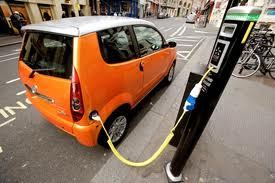
Gasoline prices are going up with practically no end in sight, but more and more destinations are offering the option of renting an electric vehicle. Sounds great, right? Well, not always. Although electric vehicles may seem like the smart option to save money while on the road, they may not always be the best solution when driving long distances or in rural places.
The biggest problem is obviousyou need access to charging stations. The first place to start is with asmartphone app, such as ChargePoint, that will navigate where you can recharge the electrical rental.
Honolulu, Hawaii already has hundreds of electrical-car-charging stations installed through its Hawaii E-V Ready program. In Rotterdam, Netherlands, they’re installing more than 1,000 charging stations and they’ll give free parking permits to people who use EVs. Hertz knew electric vehicles would be in high demand in China, especially in Shanghai where extra taxes are added for gas-powered vehicles. So they partnered with GE to set up charging stations across the country and shipped over a fleet of vehicles.
But while the concept is a great one for saving fuel and money, it’s not a widespread solution for travelersjust yet.
Green Hotels
In the past few years, the term “LEED-certified” has become something of a benchmark. It’s certainly one of the ways to determine whether a hotel is green. But it’s not the only way. LEED certification from the U.S. Green Building Council is definitely one of the toughest in the industry, both for newly constructed and repurposed buildings. It’s also an expensive endeavor, in terms of research, equipment and yes, application fees.
But there are other types of certification that you can look for in your next hotel. Look for the Green Seal, which has three levels of pretty strict certification. These guys also certify items like cleaning and personal care products. Green Globe is a standard for hotels, restaurants and even golf courses, and it’s a process that is used worldwide.
Now, on the one hand, just because a lodge or resort calls itself “eco” that doesn’t mean it’s all that friendly. But the opposite is also true: Even if it hasn’t sought out that stamp of approval, it may still have some green elements. Look for practices like in-house recycling, native landscaping, using reclaimed materials and, perhaps most important, giving back to the local community through jobs and sustainable programs.