|
|

Showing posts with label phrases. Show all posts
Showing posts with label phrases. Show all posts
Saturday, April 12, 2014
Handy Spanish Phrases and Words
mazatlansource.com

Saturday, March 1, 2014
Spanish at the Beach
spanish.about.com
What's your idea of the perfect vacation? For many people, it's spending days on the beach, listening to the waves pounding on the sand. And if you're a beach-lover, sooner or later you'll find yourself somewhere where Spanish is spoken. Before you head out, here is some vocabulary you can become acquainted with.
¡Buen viaje!
la arena — sand
la bahía — bay
el balnerario — spa, resort
el bañador — swimsuit, swimming trunks
el buceo, bucear — diving, to dive
el bungalow — bungalow
el bikini, el biquini — bikini
el bloque del sol, el bronceador — sunscreen, suntan lotion
el cayo — key (island)
el esnorquel, el esnorkel, buceo con tubo de respiración — snorkeling
la isla — island
el lago — lake
nadar — to swim
el océano — ocean
la ola — wave
la palapa — beachside building with grass roof
la piscina — swimming pool
la playa — beach
el puerto — port
la puesta de sol — sunset
la sombrilla — beach umbrella
el surf, hacer surf — surfing, to surf
el traje de baño — swimsuit
la vista al mar — sea or ocean view
Nadar: This verb is used in a number of idiomatic phrases. One of the colorful ones is nadar y guardar la ropa, literally "to swim and keep one's clothing," translated as "to have it both ways" or "to have one's cake and eat it too." Other common phrases are nadar entre dos aguas, "to sit on the fence," and nadar contra corriente, "to swim against the current."
Wave: When speaking of a wave in the ocean or other body of water, the word ola is used. But when speaking of a wave in hair or in the physics sense, the word onda is used. Thus a microwave oven is un horno de microondas. There is no specific verb for "to wave" as in waving a hand; common phrases are saludar con la mano for a simple wave of the hand or despedirse de alguién con la mano for waving goodbye.
What's your idea of the perfect vacation? For many people, it's spending days on the beach, listening to the waves pounding on the sand. And if you're a beach-lover, sooner or later you'll find yourself somewhere where Spanish is spoken. Before you head out, here is some vocabulary you can become acquainted with.
¡Buen viaje!
la arena — sand
la bahía — bay
el balnerario — spa, resort
el bañador — swimsuit, swimming trunks
el buceo, bucear — diving, to dive
el bungalow — bungalow
el bikini, el biquini — bikini
el bloque del sol, el bronceador — sunscreen, suntan lotion
el cayo — key (island)
el esnorquel, el esnorkel, buceo con tubo de respiración — snorkeling
la isla — island
el lago — lake
nadar — to swim
el océano — ocean
la ola — wave
la palapa — beachside building with grass roof
la piscina — swimming pool
la playa — beach
el puerto — port
la puesta de sol — sunset
la sombrilla — beach umbrella
el surf, hacer surf — surfing, to surf
el traje de baño — swimsuit
la vista al mar — sea or ocean view
Vocabulary notes
Hacer + sustantivo: It is fairly common in Spanish when importing words to use the construction hacer followed by a noun for the verb form. For example, Spanish has imported the word surf as the general word for "surfing." To make the verb form, use hacer surf, literally "to do surfing." Another common use of this construction can be found frequently on Web pages, where haga clic aquí is used for "click here."
Nadar: This verb is used in a number of idiomatic phrases. One of the colorful ones is nadar y guardar la ropa, literally "to swim and keep one's clothing," translated as "to have it both ways" or "to have one's cake and eat it too." Other common phrases are nadar entre dos aguas, "to sit on the fence," and nadar contra corriente, "to swim against the current."
Wave: When speaking of a wave in the ocean or other body of water, the word ola is used. But when speaking of a wave in hair or in the physics sense, the word onda is used. Thus a microwave oven is un horno de microondas. There is no specific verb for "to wave" as in waving a hand; common phrases are saludar con la mano for a simple wave of the hand or despedirse de alguién con la mano for waving goodbye.
Thursday, January 9, 2014
Dining in Mexico
frommers.com
Markets & Restaurants
Exploring the culinary delights of a tianguis, or traditional market, is one of my favorite pastimes. The people-watching is top-notch, and the food stalls harbor creative surprises ranging from strawberry shortcakes covered in fresh cream to juicy cheeseburgers and onion rings. To ensure your chances of getting the healthiest food possible, visit stands that seem to be popular among the locals. Word spreads fast in Mexico, so it doesn't take long for customers to root out the stalls with less than stellar hygiene practices. On the other side of the spectrum, avoid eating at those inviting sidewalk restaurants that you see beneath the stone archways that border the main plazas. These places usually cater to tourists and don't need to count on any return business. But they are great for getting a coffee or beer and watching the world turn.
In most nonresort towns, there are always one or two restaurants (sometimes it's a coffee shop) that are social centers for a large group of established patrons. Over time, they become virtual institutions, and change comes very slowly. The food is usually good standard fare, cooked as it was 20 years ago, and the decor is simple. The patrons have known each other and the staff for years, and the charla (banter), gestures, and greetings are friendly, open, and unaffected. If you're curious about Mexican culture, these are fun places to eat in and observe the goings-on.
You'll see multitudes of taquerías (taco joints) everywhere in Mexico. These are generally small places with a counter or a few tables set around the cooking area; you see exactly how they make their tacos before deciding whether to order. Most tacos come with a little chopped onion and cilantro, but not with tomato and lettuce. Find one that seems popular with the locals and where the cook performs with brio (a good sign of pride in the product). Sometimes a woman will be making the tortillas (or working the masa into gorditas or sopes, if these are also served) right there. You will never see men doing this -- this is perhaps the strictest gender division in Mexican society. Men do all other cooking and kitchen tasks, and work with already-made tortillas, but will never be found working masa.
Dining Tips
Meals
desayuno -- Breakfast.
comida -- Main meal of the day, taken in the afternoon.
cena -- Supper.
Courses
botana -- A small serving of food that accompanies a beer or drink, usually served free of charge.
entrada -- Appetizer.
sopa -- Soup course. (Not necessarily a soup -- it can be a dish of rice or noodles, called sopa seca [dry soup].)
ensalada -- Salad.
plato fuerte -- Main course.
postre -- Dessert.
comida corrida -- Inexpensive daily special usually consisting of three courses.
menú del día -- Same as comida corrida.
Degree of Doneness
término un cuarto -- Rare, literally means one-fourth.
término medio -- Medium rare, one-half.
término tres cuartos -- Medium, three-fourths.
bien cocido -- Well done.
Note: Keep in mind, when ordering a steak, that medio does not mean "medium."
Miscellaneous Restaurant Terminology
cucharra -- Spoon.
cuchillo -- Knife.
la cuenta -- The bill.
plato -- Plate.
plato hondo -- Bowl.
propina -- Tip.
servilleta -- Napkin.
tenedor -- Fork.
vaso -- Glass.
IVA -- Value-added tax.
fonda -- Strictly speaking, a food stall in the market or street, but now used in a loose or nostalgic sense to designate an informal restaurant.
Popular Mexican Dishes
a la tampiqueña -- (Usually bistec a la t. or arrachera a la t.) A steak served with several sides, including but not limited to an enchilada, guacamole, rice, and beans.
adobo -- Marinade made with chiles and tomatoes, often seen in adjectival form adobado/adobada.
albóndigas -- Meatballs, usually cooked in a chile chipotle sauce.
antojito -- Literally means "small temptation." It's a general term for tacos, tostadas, quesadillas, and the like, which are usually eaten for supper or as a snack.
arrachera -- Skirt steak, fajitas.
arroz -- Rice.
bistec -- Steak.
bolillo -- Small bread with a crust much like a baguette.
buñuelos -- Fried pastry dusted with sugar. Can also mean a large, thin, crisp pancake that is dipped in boiling cane syrup.
cajeta -- Thick caramel sauce made from goat's milk.
calabaza -- Zucchini squash.
caldo tlalpeño -- Chicken and vegetable soup, with rice, chile chipotle, avocado, and garbanzos. Its name comes from a suburban community of Mexico City, Tlalpan.
caldo xochitl -- Mild chicken and rice soup served with a small plate of chopped onion, chile serrano, avocado, and limes, to be added according to individual taste.
camarones -- Shrimp. For common cooking methods, see pescado.
carne -- Meat.
carnitas -- Slow-cooked pork dish from Michoacán and parts of central Mexico, served with tortillas, guacamole, and salsa or pickled jalapeños.
cebolla -- Onion.
cecina -- Thinly sliced pork or beef, dried or marinated, depending on the region.
ceviche -- Fresh raw seafood marinated in fresh lime juice and garnished with chopped tomatoes, onions, chiles, and sometimes cilantro.
chalupas poblanas -- Simple dish from Puebla consisting of handmade tortillas lightly fried but left soft, and topped with different chile sauces.
chayote -- Spiny squash boiled and served as an accompaniment to meat dishes.
chilaquiles -- Fried tortilla quarters softened in either a red or a green sauce and served with Mexican sour cream, onion, and sometimes chicken (con pollo).
chile -- Any of the many hot peppers used in Mexican cooking, in fresh, dried, or smoked forms.
chile ancho -- A dried chile poblano, which serves as the base for many varieties of sauces and moles.
chile chilpotle (or chipotle) -- A smoked jalapeño dried or in an adobo sauce.
chile en nogada -- Chile poblano stuffed with a complex filling of shredded meat, nuts, and dried, candied, and fresh fruit, topped with walnut cream sauce and a sprinkling of pomegranate seeds.
chile poblano -- Fresh pepper that is usually dark green in color, large, and not usually spicy. Often stuffed with a variety of fillings (chile relleno).
chile relleno -- Stuffed pepper.
chivo -- Kid or goat.
cochinita pibil -- Yucatecan dish of pork, pit-baked in a pibil sauce of achiote, sour orange, and spices.
col -- Cabbage. Also called repollo.
consomé -- Clear broth, usually with rice.
cortes -- Steak; in full, it is cortes finas de carne (fine cuts of meat).
cuitlacoche -- Variant of huitlacoche.
elote -- Fresh corn.
empanada -- For most of Mexico, a turnover with a savory or sweet filling. In Oaxaca and southern Mexico, it is corn masa or a tortilla folded around a savory filling and roasted or fried.
empanizado -- Breaded.
enchilada -- A lightly fried tortilla, dipped in sauce and folded or rolled around a filling. It has many variations, such as enchiladas suizas (made with a cream sauce), enchiladas del portal or enchiladas placeras (made with a predominantly chile ancho sauce), and enchiladas verdes (in a green sauce of tomatillos, cilantro, and chiles).
enfrijoladas -- Like an enchilada, but made with a bean sauce.
enmoladas -- Enchiladas made with a mole sauce.
entomatadas -- Enchiladas made with a tomato sauce.
escabeche -- Vegetables pickled in a vinegary liquid.
flan -- Custard.
flautas -- Tortillas that are rolled up around a filling (usually chicken or shredded beef) and deep-fried; often listed on a menu as taquitos or tacos fritos.
gorditas -- Thick, fried corn tortillas, slit open and stuffed with meat or cheese.
horchata -- Drink made of ground rice, melon seeds, ground almonds, or coconut and cinnamon.
huazontle -- A vegetable vaguely comparable to broccoli, but milder in taste.
huitlacoche -- Salty and mild-tasting corn fungus that is considered a delicacy.
jitomate -- Tomato.
lechuga -- Lettuce.
limón -- A small lime. Mexicans squeeze them on everything from soups to tacos.
lomo adobado -- Pork loin cooked in an adobo.
masa -- Soft dough made of corn that is the basis for making tortillas and tamales.
menudo -- Soup made with beef tripe and hominy.
milanesa -- Beef cutlet breaded and fried.
mole -- Any variety of thick sauce made with dried chiles, nuts, fruit or vegetables, and spices. Variations include m. poblano (Puebla style, with chocolate and sesame), m. negro (black mole from Oaxaca, also with chocolate), and m. verde (made with herbs and/or pumpkinseeds, depending on the region).
pan -- Bread. A few of the varieties include p. dulce (general term for a variety of sweet breads), p. de muerto (bread made for the Day of the Dead holidays), and p. Bimbo (packaged sliced white bread).
panuchos -- A Yucatecan dish of masa cakes stuffed with refried black beans and topped with shredded turkey or chicken, lettuce, and onion.
papas -- Potatoes.
papadzules -- A Yucatecan dish of tortillas stuffed with hard-boiled eggs and topped with a sauce made of pumpkinseeds.
parrillada -- A sampler platter of grilled meats or seafood.
pescado -- Fish. Common ways of cooking fish include al mojo de ajo (pan seared with oil and garlic), a la veracruzana (with tomatoes, olives, and capers), and al ajillo (seared with garlic and fine strips or rings of chile guajillo).
pibil -- See cochinita pibil. When made with chicken, it is called pollo pibil.
picadillo -- Any of several recipes using shredded beef, pork, or chicken and onions, chiles, and spices. Can also contain fruit and nuts.
pipián -- A thick sauce made with ground pumpkinseeds, nuts, herbs, and chiles. Can be red or green.
poc chuc -- A Yucatecan dish of grilled pork with onion marinated in sour orange.
pollo -- Chicken.
pozole -- Soup with chicken or pork, hominy, lettuce, and radishes, served with a small plate of other ingredients to be added according to taste (onion, pepper, lime juice, oregano). In Jalisco it's red (p. rojo), in Michoacán it's clear (p. blanco), and in Guerrero it's green (p. verde). In the rest of Mexico, it can be any one of these.
puerco -- Pork.
quesadilla -- Corn or flour tortillas stuffed with white cheese and cooked on a hot griddle. In Mexico City, it is made with raw masa folded around any of a variety of fillings (often containing no cheese) and deep-fried.
queso -- Cheese.
res -- Beef.
rompope -- Mexican liqueur, made with eggs, vanilla, sugar, and alcohol.
salbute -- A Yucatecan dish like a panucho, but without bean paste in the middle.
sopa azteca -- Tortilla soup.
sopa tarasca -- A blended soup from Michoacán made with beans and tomatoes.
sope -- Small fried masa cake topped with savory meats and greens.
tacos al pastor -- Small tacos made with thinly sliced pork marinated in an adobo and served with pineapple, onion, and cilantro.
tamal -- (Not "tamale.") Masa mixed with lard and beaten until light and folded around a savory or sweet filling, and encased in a cornhusk or a plant leaf (usually corn or banana) and then steamed. Tamales is the plural form.
taquitos -- See flautas.
tinga -- Shredded meat stewed in a chile chipotle sauce.
torta -- A sandwich made with a bolillo.
Markets & Restaurants
Exploring the culinary delights of a tianguis, or traditional market, is one of my favorite pastimes. The people-watching is top-notch, and the food stalls harbor creative surprises ranging from strawberry shortcakes covered in fresh cream to juicy cheeseburgers and onion rings. To ensure your chances of getting the healthiest food possible, visit stands that seem to be popular among the locals. Word spreads fast in Mexico, so it doesn't take long for customers to root out the stalls with less than stellar hygiene practices. On the other side of the spectrum, avoid eating at those inviting sidewalk restaurants that you see beneath the stone archways that border the main plazas. These places usually cater to tourists and don't need to count on any return business. But they are great for getting a coffee or beer and watching the world turn.
In most nonresort towns, there are always one or two restaurants (sometimes it's a coffee shop) that are social centers for a large group of established patrons. Over time, they become virtual institutions, and change comes very slowly. The food is usually good standard fare, cooked as it was 20 years ago, and the decor is simple. The patrons have known each other and the staff for years, and the charla (banter), gestures, and greetings are friendly, open, and unaffected. If you're curious about Mexican culture, these are fun places to eat in and observe the goings-on.
You'll see multitudes of taquerías (taco joints) everywhere in Mexico. These are generally small places with a counter or a few tables set around the cooking area; you see exactly how they make their tacos before deciding whether to order. Most tacos come with a little chopped onion and cilantro, but not with tomato and lettuce. Find one that seems popular with the locals and where the cook performs with brio (a good sign of pride in the product). Sometimes a woman will be making the tortillas (or working the masa into gorditas or sopes, if these are also served) right there. You will never see men doing this -- this is perhaps the strictest gender division in Mexican society. Men do all other cooking and kitchen tasks, and work with already-made tortillas, but will never be found working masa.
Dining Tips
- Nearly all restaurants and bars that serve middle-class Mexicans use filtered water, disinfect their vegetables, and buy ice made from purified water. If in doubt, look for ice with a rough cylindrical shape and a hollow center, produced by the same kind of machinery across the country. Street vendors and market stalls are less consistent. I've never gotten sick on any of my travels to Mexico, but people who live there say a good way of keeping your stomach happy is by drinking one of the tiny Yakult yogurt drinks found in the dairy section of just about every grocery store or corner market.
- For the afternoon meal, the main meal of the day, many restaurants offer a multicourse daily special called comida corrida or menú del día. This is the most inexpensive way to get a full dinner.
- In Mexico, you need to ask for your check; it is considered rude to present a check to someone who hasn't requested it. If you're in a hurry, ask for the check when your food arrives.
- Tips are about the same as in the U.S. You'll sometimes find a 15% value-added tax on restaurant meals, which shows up on the bill as IVA. This is effectively the tip, which you may augment if you like. Just make sure you're not tipping twice.
- To summon the waiter, wave or raise your hand, but don't motion with your index finger, which is a demeaning gesture that may cause the waiter to ignore you. Or if it's the check you want, you can motion to the waiter from across the room using the universal scribbling motion against the palm of your hand.
Meals
desayuno -- Breakfast.
comida -- Main meal of the day, taken in the afternoon.
cena -- Supper.
Courses
botana -- A small serving of food that accompanies a beer or drink, usually served free of charge.
entrada -- Appetizer.
sopa -- Soup course. (Not necessarily a soup -- it can be a dish of rice or noodles, called sopa seca [dry soup].)
ensalada -- Salad.
plato fuerte -- Main course.
postre -- Dessert.
comida corrida -- Inexpensive daily special usually consisting of three courses.
menú del día -- Same as comida corrida.
Degree of Doneness
término un cuarto -- Rare, literally means one-fourth.
término medio -- Medium rare, one-half.
término tres cuartos -- Medium, three-fourths.
bien cocido -- Well done.
Note: Keep in mind, when ordering a steak, that medio does not mean "medium."
Miscellaneous Restaurant Terminology
cucharra -- Spoon.
cuchillo -- Knife.
la cuenta -- The bill.
plato -- Plate.
plato hondo -- Bowl.
propina -- Tip.
servilleta -- Napkin.
tenedor -- Fork.
vaso -- Glass.
IVA -- Value-added tax.
fonda -- Strictly speaking, a food stall in the market or street, but now used in a loose or nostalgic sense to designate an informal restaurant.
Popular Mexican Dishes
a la tampiqueña -- (Usually bistec a la t. or arrachera a la t.) A steak served with several sides, including but not limited to an enchilada, guacamole, rice, and beans.
adobo -- Marinade made with chiles and tomatoes, often seen in adjectival form adobado/adobada.
albóndigas -- Meatballs, usually cooked in a chile chipotle sauce.
antojito -- Literally means "small temptation." It's a general term for tacos, tostadas, quesadillas, and the like, which are usually eaten for supper or as a snack.
arrachera -- Skirt steak, fajitas.
arroz -- Rice.
bistec -- Steak.
bolillo -- Small bread with a crust much like a baguette.
buñuelos -- Fried pastry dusted with sugar. Can also mean a large, thin, crisp pancake that is dipped in boiling cane syrup.
cajeta -- Thick caramel sauce made from goat's milk.
calabaza -- Zucchini squash.
caldo tlalpeño -- Chicken and vegetable soup, with rice, chile chipotle, avocado, and garbanzos. Its name comes from a suburban community of Mexico City, Tlalpan.
caldo xochitl -- Mild chicken and rice soup served with a small plate of chopped onion, chile serrano, avocado, and limes, to be added according to individual taste.
camarones -- Shrimp. For common cooking methods, see pescado.
carne -- Meat.
carnitas -- Slow-cooked pork dish from Michoacán and parts of central Mexico, served with tortillas, guacamole, and salsa or pickled jalapeños.
cebolla -- Onion.
cecina -- Thinly sliced pork or beef, dried or marinated, depending on the region.
ceviche -- Fresh raw seafood marinated in fresh lime juice and garnished with chopped tomatoes, onions, chiles, and sometimes cilantro.
chalupas poblanas -- Simple dish from Puebla consisting of handmade tortillas lightly fried but left soft, and topped with different chile sauces.
chayote -- Spiny squash boiled and served as an accompaniment to meat dishes.
chilaquiles -- Fried tortilla quarters softened in either a red or a green sauce and served with Mexican sour cream, onion, and sometimes chicken (con pollo).
chile -- Any of the many hot peppers used in Mexican cooking, in fresh, dried, or smoked forms.
chile ancho -- A dried chile poblano, which serves as the base for many varieties of sauces and moles.
chile chilpotle (or chipotle) -- A smoked jalapeño dried or in an adobo sauce.
chile en nogada -- Chile poblano stuffed with a complex filling of shredded meat, nuts, and dried, candied, and fresh fruit, topped with walnut cream sauce and a sprinkling of pomegranate seeds.
chile poblano -- Fresh pepper that is usually dark green in color, large, and not usually spicy. Often stuffed with a variety of fillings (chile relleno).
chile relleno -- Stuffed pepper.
chivo -- Kid or goat.
cochinita pibil -- Yucatecan dish of pork, pit-baked in a pibil sauce of achiote, sour orange, and spices.
col -- Cabbage. Also called repollo.
consomé -- Clear broth, usually with rice.
cortes -- Steak; in full, it is cortes finas de carne (fine cuts of meat).
cuitlacoche -- Variant of huitlacoche.
elote -- Fresh corn.
empanada -- For most of Mexico, a turnover with a savory or sweet filling. In Oaxaca and southern Mexico, it is corn masa or a tortilla folded around a savory filling and roasted or fried.
empanizado -- Breaded.
enchilada -- A lightly fried tortilla, dipped in sauce and folded or rolled around a filling. It has many variations, such as enchiladas suizas (made with a cream sauce), enchiladas del portal or enchiladas placeras (made with a predominantly chile ancho sauce), and enchiladas verdes (in a green sauce of tomatillos, cilantro, and chiles).
enfrijoladas -- Like an enchilada, but made with a bean sauce.
enmoladas -- Enchiladas made with a mole sauce.
entomatadas -- Enchiladas made with a tomato sauce.
escabeche -- Vegetables pickled in a vinegary liquid.
flan -- Custard.
flautas -- Tortillas that are rolled up around a filling (usually chicken or shredded beef) and deep-fried; often listed on a menu as taquitos or tacos fritos.
gorditas -- Thick, fried corn tortillas, slit open and stuffed with meat or cheese.
horchata -- Drink made of ground rice, melon seeds, ground almonds, or coconut and cinnamon.
huazontle -- A vegetable vaguely comparable to broccoli, but milder in taste.
huitlacoche -- Salty and mild-tasting corn fungus that is considered a delicacy.
jitomate -- Tomato.
lechuga -- Lettuce.
limón -- A small lime. Mexicans squeeze them on everything from soups to tacos.
lomo adobado -- Pork loin cooked in an adobo.
masa -- Soft dough made of corn that is the basis for making tortillas and tamales.
menudo -- Soup made with beef tripe and hominy.
milanesa -- Beef cutlet breaded and fried.
mole -- Any variety of thick sauce made with dried chiles, nuts, fruit or vegetables, and spices. Variations include m. poblano (Puebla style, with chocolate and sesame), m. negro (black mole from Oaxaca, also with chocolate), and m. verde (made with herbs and/or pumpkinseeds, depending on the region).
pan -- Bread. A few of the varieties include p. dulce (general term for a variety of sweet breads), p. de muerto (bread made for the Day of the Dead holidays), and p. Bimbo (packaged sliced white bread).
panuchos -- A Yucatecan dish of masa cakes stuffed with refried black beans and topped with shredded turkey or chicken, lettuce, and onion.
papas -- Potatoes.
papadzules -- A Yucatecan dish of tortillas stuffed with hard-boiled eggs and topped with a sauce made of pumpkinseeds.
parrillada -- A sampler platter of grilled meats or seafood.
pescado -- Fish. Common ways of cooking fish include al mojo de ajo (pan seared with oil and garlic), a la veracruzana (with tomatoes, olives, and capers), and al ajillo (seared with garlic and fine strips or rings of chile guajillo).
pibil -- See cochinita pibil. When made with chicken, it is called pollo pibil.
picadillo -- Any of several recipes using shredded beef, pork, or chicken and onions, chiles, and spices. Can also contain fruit and nuts.
pipián -- A thick sauce made with ground pumpkinseeds, nuts, herbs, and chiles. Can be red or green.
poc chuc -- A Yucatecan dish of grilled pork with onion marinated in sour orange.
pollo -- Chicken.
pozole -- Soup with chicken or pork, hominy, lettuce, and radishes, served with a small plate of other ingredients to be added according to taste (onion, pepper, lime juice, oregano). In Jalisco it's red (p. rojo), in Michoacán it's clear (p. blanco), and in Guerrero it's green (p. verde). In the rest of Mexico, it can be any one of these.
puerco -- Pork.
quesadilla -- Corn or flour tortillas stuffed with white cheese and cooked on a hot griddle. In Mexico City, it is made with raw masa folded around any of a variety of fillings (often containing no cheese) and deep-fried.
queso -- Cheese.
res -- Beef.
rompope -- Mexican liqueur, made with eggs, vanilla, sugar, and alcohol.
salbute -- A Yucatecan dish like a panucho, but without bean paste in the middle.
sopa azteca -- Tortilla soup.
sopa tarasca -- A blended soup from Michoacán made with beans and tomatoes.
sope -- Small fried masa cake topped with savory meats and greens.
tacos al pastor -- Small tacos made with thinly sliced pork marinated in an adobo and served with pineapple, onion, and cilantro.
tamal -- (Not "tamale.") Masa mixed with lard and beaten until light and folded around a savory or sweet filling, and encased in a cornhusk or a plant leaf (usually corn or banana) and then steamed. Tamales is the plural form.
taquitos -- See flautas.
tinga -- Shredded meat stewed in a chile chipotle sauce.
torta -- A sandwich made with a bolillo.
Wednesday, December 18, 2013
7 Tips to Help You Stay Safe While Traveling in Mexico
tripping.com

With incredible weather, delicious food and a rich, welcoming culture, it’s no wonder that Mexico is one of the most popular travel destinations in the world. Fortunately, even though there has been an increase in crime in certain northern regions over the past few years, many areas of Mexico are still completely safe to visit.
We’ve put these 7 tips together to help you prepare for a fun, safe trip to Mexico.
Talking to locals is the best way to find information about where it’s safe to visit. To get a better idea of where you should go, try messaging a few local Trippers before buying your tickets or finding accommodations.
You can also consult the U.S. State Department’s website, which will provide information about official travel warnings.
If you are traveling by bus, opt for a first class bus, such as ETN, as they take direct, non-stop routes and generally stick to the safer toll roads. The prices are higher but not astronomical and is well worth the added safety.
At restaurants, stick to bottled beverages and avoid ordering any uncooked food items like salads, especially outside the major tourist zones.
By archer10 on FlickR
With incredible weather, delicious food and a rich, welcoming culture, it’s no wonder that Mexico is one of the most popular travel destinations in the world. Fortunately, even though there has been an increase in crime in certain northern regions over the past few years, many areas of Mexico are still completely safe to visit.
We’ve put these 7 tips together to help you prepare for a fun, safe trip to Mexico.
1. Select the area you visit carefully.
It's well-publicized that certain areas in Mexico are suffering from heightened levels of crime and are best avoided. In particular, the northern states along the U.S.-Mexico border are particularly dangerous for travelers.Talking to locals is the best way to find information about where it’s safe to visit. To get a better idea of where you should go, try messaging a few local Trippers before buying your tickets or finding accommodations.
You can also consult the U.S. State Department’s website, which will provide information about official travel warnings.
2. Fly to your destination.
In the past, driving down from the United States was a popular way to travel to destinations in Mexico. Unfortunately, it’s become more dangerous to drive through the northern regions along the U.S.-Mexico border, which makes driving to a destination unsafe. The safest, most recommended way to travel to destinations in Mexico is by plane.3. Stick to traveling on toll roads.
Mexico has an excellent toll road system that offers a lot of advantages for travelers who are driving. For example, toll (“cuota”) roads tend to be more direct and better maintained than the toll-free (“libre”) roads. Your toll also covers road side assistance and limited insurance for damage caused by the road way.If you are traveling by bus, opt for a first class bus, such as ETN, as they take direct, non-stop routes and generally stick to the safer toll roads. The prices are higher but not astronomical and is well worth the added safety.
4. Avoid traveling at night.
If you are traveling by car, avoid traveling after dark. This is especially critical if you are traveling on toll-free roads, but is best avoided even when traveling on toll roads. Though highway bandits have become less common, it’s better to avoid the risk altogether.5. Learn key safety phrases.
Though many people in Mexico speak English, especially in popular travel destinations, it’s a good idea to learn a few key phrases. When it comes to safety, travelers should at the very least know and understand the following words -- emergencia = emergency (pronounced "emm ehr hen zee uh")
- peligro = danger (pronounced "peh lee grow")
- ayuda = help (pronounced "ah you duh")
6. Update your vaccinations.
The recommended vaccines for Mexico are fairly common and include the following: Hepatitis A, typhoid, MMR and Tetanus-Diptheria. For the most part, malaria is confined to certain regions and isn’t a risk at any of the major resorts along the Gulf and Pacific Coasts.7. Be careful about what you eat and drink.
Though the water quality in Mexico has improved in recent years (especially in popular travel destinations) it’s safest to avoid drinking tap water. If you’re visiting a rural area, be sure to use bottled or boiled water when brushing your teeth.At restaurants, stick to bottled beverages and avoid ordering any uncooked food items like salads, especially outside the major tourist zones.
Tuesday, November 26, 2013
Spanish Phrases to Learn Before You Go to Mexico

about.com
By Suzanne Barbezat
If you don't speak any Spanish at all, don't worry, many
people who work in the tourist industry in Mexico speak English.
However, any effort on your part to speak Spanish will go a long way
towards creating a rapport between you and the Mexicans you meet. You
don't have to take an intensive course - these few phrases will
communicate the most important things you need to say.
Hola
HelloMexicans tend to be quite formal when it comes to greetings. A simple "hola" is fine among friends, but in other situations, you should change the form you use depending on the time of day.
- Before noon: Buenos días (Good morning, Good day)
- From noon until dark: Buenas tardes (Good afternoon)
- At night: Buenas noches (Good evening, Good night)
Gracias
Thank you.It's always polite to thank people who are providing you with a service - and even better to say it in their language. The correct response is de nada. You should also learn learn to say please: por favor.
¿Cuanto cuesta?
How much is it?Of course, if you hope to understand the answer, you'll need to have some knowledge of the numbers in Spanish. In a restaurant, ask for la cuenta.
¿Donde está...?
Where is...?Perhaps the most essential one is ¿Donde está el baño? (Where is the restroom?). But knowing how to ask where things are can come in handy in many circumstances. Hopefully the person answering you will point so it won't matter if you don't understand their reply!
Me llamo...
My name is...The best way to learn Spanish is to talk with people, and the way to begin is by introducing yourself.
Disculpe
Excuse me.There are different forms to say this depending on the situation, but this is the one which works in most situations - if you're trying to get by someone and you want them to move out of your way, if you've made a faux-pas or if you're trying to get their attention.
¿Puedo tomar una foto?
May I take a photo?Some people don't like to have their picture taken, so to avoid conflicts, it's better to ask first.
No hablo español. ¿Habla usted inglés?
I don't speak Spanish. Do you speak English?As a last resort!
Monday, October 7, 2013
Learning A New Language: Think Connection, Not Perfection
huffingtonpost.com
Suzan Haskins and Dan Prescher
When we first moved to Latin America, back in 2001, our Spanish
language skills were minimal. We had what we call "restaurant and taxi"
Spanish, allowing us to get where we were going (usually a restaurant)
and order our food once we got there.
But accomplishing our daily tasks was a challenge. Getting something we needed at the hardware store... talking to the teller at the bank... buying appliances at the department store... and forget about having any conversations on the telephone. When our Internet or cable TV went down, we were stuck.
So we knew we had to do something. We had to learn to speak Spanish. It's absolutely imperative if you live in a Spanish-speaking country. We took classes, we tried some computer courses... but it was tough-going. We were making progress, but only slowly.

Photo courtesy of Glynna Prentice, InternationalLiving.com
A couple years later when we were living in San Miguel de Allende, Mexico, we decided to get serious. We'd heard good things about the Warren Hardy School there. So we decided to enroll in some classes.
Little did we know that we'd not only walk away with a much better grasp of Spanish, but that we'd also meet two people who would become very good friends of ours. Warren and Tuli Hardy. They'd gone to Mexico on their honeymoon in 1989, fell in love with charming San Miguel, and decided to make it their home.
Right away, Warren saw that a growing number of expats were moving to San Miguel and most were struggling with learning to speak Spanish. He had published his first Spanish textbook in 1972 so he had some experience, and in 1990, he and Tuli opened the Warren Hardy Spanish school.
Warren's teaching method is perfect for adult learners... people with, shall we say, "mature brains," like ours. Suffice to say, after taking classes with Warren, our Spanish skills improved immensely.
So today, we'd like to turn our blog over to Warren. We asked him to write this essay about why learning a new language is so fulfilling, especially if you plan to live or travel in a Spanish-speaking country.
Here goes....
Why Learning the Local Language is Important
By Warren Hardy
This past year, I turned 65. Medicare age. Yikes!
Instead of celebrating--or whining--I spent several days quietly taking
stock, reflecting on where I'm at in my life, how I've changed, what's
important. My key insight: I'm a lot happier now than I've ever been
because I've finally seen through the myth of perfection. Life isn't
perfect. Friends aren't perfect. I'm not perfect. Knowing that, I've
learned to lighten up, go with the flow and cut the world some slack. What
a relief!
I'm sharing this with you because every year, every class session, I face a
room full of anxious students, many of them serial over-achievers their
entire lives, who are grimly challenging themselves to become fluent in
Spanish... or die trying. Worse yet, I often encounter visitors who would
love to retire in Latin America, but who shelve that dream because they fear
they will never be able to "master" the language as an older adult.
What a shame. Because I'm here to tell you, anyone--at age 50, 60, 70 or 80--can
learn to "speak Spanish" in a relatively short period of time, and enjoy the
rich cultural experience of living in another country. Thousands of Warren
Hardy alumni can attest to that fact. And most of them will tell you, the
key is to lower your expectations... and relax!
Of course you need to speak some Spanish if you live in a Spanish-speaking
country. Even if you just stay home, you'll want to talk with your housekeeper,
plumber, fix-it guy or a mechanic. Unless you plan to live in an expat
cocoon, you'll at least want to be friendly and transact your business.
And you can! I've been teaching expats for over 20 years and have designed a course just for us. It's called Power Verbs and it works like this:
A Power Verb is a verb you can conjugate and then add another verb (which you don't need to conjugate!). Example: I need. If you can say "I need" and know 100 other verbs you can say, "I need... to [fill in the blank times 100]."
Using "I need," "I want," "I am going to," "I can," and "I like to" in combination with the 100 most common verbs and some assorted nouns, you can easily express most all your needs and wants.
This is called functioning and all it requires is a knowledge of basic social protocol --please, thank you, good morning, good evening, pardon me, etc. -- some rudimentary grammar and a modest vocabulary.
Once you can master these basics, you've taken a huge step. You're no longer
an outsider, a stranger. You're no longer anxious or uncomfortable in your
new home. People will respond to you in a positive way. And then, as your confidence increases, unimaginable things can happen in your life.
In my 23 years of teaching expats I've seen it happen over and over again. Our students are expats living in San Miguel full- and part-time, and visitors who come to study Spanish. Most are over 60 years of age and are learning Spanish for the same reasons you are. When we ask them why learning Spanish was important to them, here's what they say.
• FREEDOM
• CONFIDENCE
• MAKE NEW FRIENDS
• CONDUCT THE BUSINESS OF MY LIFE
• BETTER BRAIN
• LEARN CULTURE
So here's my message. You don't have to be fluent or know all the tenses. But you do need to know the social graces and how to express your needs. Once you can do this you simply have to open your heart and give it your best shot.
Think connection, not perfection.
Suzan Haskins and Dan Prescher
Posted: 10/05/2013 7:02 am
But accomplishing our daily tasks was a challenge. Getting something we needed at the hardware store... talking to the teller at the bank... buying appliances at the department store... and forget about having any conversations on the telephone. When our Internet or cable TV went down, we were stuck.
So we knew we had to do something. We had to learn to speak Spanish. It's absolutely imperative if you live in a Spanish-speaking country. We took classes, we tried some computer courses... but it was tough-going. We were making progress, but only slowly.
A couple years later when we were living in San Miguel de Allende, Mexico, we decided to get serious. We'd heard good things about the Warren Hardy School there. So we decided to enroll in some classes.
Little did we know that we'd not only walk away with a much better grasp of Spanish, but that we'd also meet two people who would become very good friends of ours. Warren and Tuli Hardy. They'd gone to Mexico on their honeymoon in 1989, fell in love with charming San Miguel, and decided to make it their home.
Right away, Warren saw that a growing number of expats were moving to San Miguel and most were struggling with learning to speak Spanish. He had published his first Spanish textbook in 1972 so he had some experience, and in 1990, he and Tuli opened the Warren Hardy Spanish school.
Warren's teaching method is perfect for adult learners... people with, shall we say, "mature brains," like ours. Suffice to say, after taking classes with Warren, our Spanish skills improved immensely.
So today, we'd like to turn our blog over to Warren. We asked him to write this essay about why learning a new language is so fulfilling, especially if you plan to live or travel in a Spanish-speaking country.
Here goes....
Why Learning the Local Language is Important
By Warren Hardy
This past year, I turned 65. Medicare age. Yikes!
Instead of celebrating--or whining--I spent several days quietly taking
stock, reflecting on where I'm at in my life, how I've changed, what's
important. My key insight: I'm a lot happier now than I've ever been
because I've finally seen through the myth of perfection. Life isn't
perfect. Friends aren't perfect. I'm not perfect. Knowing that, I've
learned to lighten up, go with the flow and cut the world some slack. What
a relief!
I'm sharing this with you because every year, every class session, I face a
room full of anxious students, many of them serial over-achievers their
entire lives, who are grimly challenging themselves to become fluent in
Spanish... or die trying. Worse yet, I often encounter visitors who would
love to retire in Latin America, but who shelve that dream because they fear
they will never be able to "master" the language as an older adult.
What a shame. Because I'm here to tell you, anyone--at age 50, 60, 70 or 80--can
learn to "speak Spanish" in a relatively short period of time, and enjoy the
rich cultural experience of living in another country. Thousands of Warren
Hardy alumni can attest to that fact. And most of them will tell you, the
key is to lower your expectations... and relax!
Of course you need to speak some Spanish if you live in a Spanish-speaking
country. Even if you just stay home, you'll want to talk with your housekeeper,
plumber, fix-it guy or a mechanic. Unless you plan to live in an expat
cocoon, you'll at least want to be friendly and transact your business.
And you can! I've been teaching expats for over 20 years and have designed a course just for us. It's called Power Verbs and it works like this:
A Power Verb is a verb you can conjugate and then add another verb (which you don't need to conjugate!). Example: I need. If you can say "I need" and know 100 other verbs you can say, "I need... to [fill in the blank times 100]."
Using "I need," "I want," "I am going to," "I can," and "I like to" in combination with the 100 most common verbs and some assorted nouns, you can easily express most all your needs and wants.
This is called functioning and all it requires is a knowledge of basic social protocol --please, thank you, good morning, good evening, pardon me, etc. -- some rudimentary grammar and a modest vocabulary.
Once you can master these basics, you've taken a huge step. You're no longer
an outsider, a stranger. You're no longer anxious or uncomfortable in your
new home. People will respond to you in a positive way. And then, as your confidence increases, unimaginable things can happen in your life.
In my 23 years of teaching expats I've seen it happen over and over again. Our students are expats living in San Miguel full- and part-time, and visitors who come to study Spanish. Most are over 60 years of age and are learning Spanish for the same reasons you are. When we ask them why learning Spanish was important to them, here's what they say.
• FREEDOM
• CONFIDENCE
• MAKE NEW FRIENDS
• CONDUCT THE BUSINESS OF MY LIFE
• BETTER BRAIN
• LEARN CULTURE
So here's my message. You don't have to be fluent or know all the tenses. But you do need to know the social graces and how to express your needs. Once you can do this you simply have to open your heart and give it your best shot.
Think connection, not perfection.
Flying Solo: Everything You Need to Know About Traveling Alone
There’s nothing quite like the freedom of exploring a new place on your own terms. Learn how to make the most of your next solo travel adventure with these tips from the experts.

(Courtesy Sam Hauser)
Meet our panel of solo travel experts:
• Julia Dimon Founder of TravelJunkieJulia.com, Julia Dimon is an adventure travel writer and TV host who has been to more than 80 countries across all seven continents.• Beth Whitman A world traveler for more than 25 years, Beth Whitman is the founder and editor of Wanderlust and Lipstick, a website dedicated to sharing stories, inspiration, and travel advice from experienced travelers.
• Christine Maxfield Founder and editor of CompassMag.com and the podcast producer of When In Roam: Conversations with Travel Writers, available on iTunes.
• Amanda Pressner Co-author of The Lost Girls, an epic tale of three friends who quit their hectic full-time jobs and traveled the world. Visit LostGirlsWorld.com for more information about their inspiring journey.
Which places would you recommend for first-time solo travelers?
Christine Maxfield: If you're traveling on a budget, I'd recommend visiting Southeast Asia first. Not only is it one of the cheapest regions in the world, but it's also a tropical paradise with a ton of historical sites and natural attractions to see, the people are friendly, and the food is tasty. What more could you ask for?Julia Dimon: Southeast Asia is great for first-time solo travelers. Thailand in particular has a great tourist infrastructure, with tons of English speakers and locals who are accustomed to foreigners. The country is extremely diverse with hilltribes and elephant treks through jungles in the north, the wild cosmopolitan city of Bangkok, and beautiful beaches and crazy parties in the south. Food, activities, and domestic flights are very affordable and it's safe. It's a particularly great destination for young people since there are so many backpackers passing through Thailand.
Beth Whitman: That's a very personal decision. A destination like Asia might be very comfortable for me but might be really uncomfortable for someone else. Someone else might prefer England or even the Middle East (which wouldn't be as comfortable for me). The key is that for a first-time solo trip, you should be comfortable and confident because you're going to have a much more enjoyable (and likely safer) experience.
Amanda Pressner: I would recommend Peru or Argentina—there are tons of solo travelers who start out in Lima or Cuzco and move on through other parts of the South American continent. Check out Loki Hostels, which are large, clean, fun, and an amazing place to meet solo travelers, especially if you're not fresh out of school. I also love Australia and New Zealand for anyone traveling solo, as they're extremely safe and there's an amazing infrastructure for travel. So do Thailand and all of Southeast Asia really, but Bangkok is a really easy and inexpensive way to start your trip and meet other like-minded travelers. And, if your daily budget is a little higher (or you're older, and don't want a super-young crowd), you should check out any major city in Europe—Eurorail passes and a plethora of clean, safe lodging makes Europe a no-brainer for the solo traveler with a bit more money to spend.
What was your first solo travel experience like?
Beth Whitman: My first "real" solo trip was a three-month trip from New Jersey to California that I took in college (I took a semester off). Along the way, I stayed with friends and in youth hostels. In the youth hostels, I met people from all over the world and was hooked. I wanted to meet more travelers and also experience the destinations where these fascinating people came from.Amanda Pressner: When I decided to go solo, I was already traveling, so no one found it that weird. I was in Australia, so in fact, people were like, "Way to go! Great decision!" It was only after I returned, and realized how many other travelers there were who traveled solo (especially as women) did I realize it was far more unusual to stay in a group of three for a full year. Note the number of blogs written by three women...not many!
What is the best way to meet new people on the road?
Christine Maxfield: Staying at a hostel or bed-and-breakfast is a great way to meet other travelers, since the proprietors tend to organize group outings for guests to local hotspots or restaurants that they might not know about otherwise (or feel comfortable visiting on their own). At the very least, the property should have a community board where you can post your contact info to meet up with other guests and check out the surrounding sites together. Whenever I want to get to know a culture better and make local friends quickly, I join a work-exchange program like WWOOF.org, HelpX.net, or WorkAway.info. Work exchange is a little different than volunteering because you barter your time for food and lodging with a host rather than spending money for the opportunity. I've learned the most interesting jobs that way, from black-pearl diving to working at a sea-turtle hatchery, and it only cost me my hard work! It was a very fulfilling way to travel, and I also made lifelong friends with my hosts so I was never lonely.Julia Dimon: I like to stay in hostels, B&Bs, and with friends of friends. If there's a way to stay with the local people (ie. Couchsurfing, renting a room with roommates, or doing a house swap) you'll often feel more connected to the local culture than staying in a hotel chain. Being friendly, smiling, and striking up a conversation in whatever scenario you find yourself in is the best way to meet new people. Asking for locals' recommendations on where to eat and visit can also spark a new friendship. Joining a group tour or day activity (say white-water rafting, wine tasting, or bike touring) is a great way to meet other travelers. Shared experience is a great way to bond with your fellow travelers.
Amanda Pressner: You can do it the digital way—using your blog and social media connections to find others around you—or you can do it the old fashioned way...just getting out there and seeing the world.
There are a few ways to make breaking the ice a little easier though. Asking someone to take your photo is a time-tested conversation starter (and healthier than bumming a cigarette in the hostel bar!). Sign up for a cool tour or a volunteer opportunity while you're traveling so you're thrown in with other locals and travelers and have something to talk about. Take public transportation (overnight trains are awesome for meeting other people, since you're often grouped together in shared cars). If you're intimidated about saying hello, just remember that this isn't high school, and you're not the only new kid—this is traveling, and everyone is the "new kid!" Be friendly...people will be friendly back!
What can solo travelers do to NOT attract the wrong kind of attention in a new place?
Christine Maxfield: When women travel alone, they automatically draw some attention to themselves, but keep in mind that you can get catcalls in your own country as well. The key is to dress modestly, never go out alone at night until you learn the rules of the area, and never get drunk or visit the beach by yourself. If you're traveling in a very conservative region like the Middle East or in a Muslim country, cover your arms and legs, wear sneakers or closed-toe shoes, and wear hair on top of your head (loose hair is considered rude!).Beth Whitman: Women can often be seen as an easy target. It's therefore very important to be vigilant whenever we're on our own. We need to protect our personal items and also be aware of not putting ourselves in situations that could get dangerous (taking a taxi by ourselves, for example). Assuming this is more geared toward women, the best thing a solo traveler can do to not attract attention is to avoid conversations with single men and not put themselves in situations where this might happen. One thing a woman might do is join a group of people walking down a street if she thinks someone might be following her.

Sunday, October 6, 2013
Hispanic Roots: Expressions, sayings from Mexico
Sayings and expressions are the reflection of popular wisdom, accumulated with the passing of time.
The writer and Oaxacan historian Andrés Henestrosa rightly put it, “An expression and a saying often realize situations and open before our eyes a heading, to put in our will a decision, to decide an initial step. And not of whimsical or casual mode, sayings and proverbs are the summary of human wisdom accumulated over many years of experience.”
So then, I present to you some of the more popular expressions and sayings (with their explanations and corresponding applications) of the public domain and others little or almost unknown, because it is always good to know this type of expressions to have recourse to them at any time or occasion.
• A Dios rogando y con el mazo dando.
Praying to God and hitting with the hammer. Covering all the bases. Doing everything necessary to ensure success.
• La mejor palabra es la que no se dice.
The best word is the one that is not said. Sometimes, refraining from speaking is better than anything you could say.
• La palabra es plata, el silencio oro.
The word is silver, silence is gold. Silence is more valuable than words.
• Mejor solo que mal acompañado.
Better alone than poorly accompanied. It is better to be alone than to be with the wrong person.
• No es más rico el que más tiene, sino el que menos necesita.
He who has the most is not richer, rather he who the needs the least. Someone who is satisfied with a small amount is richer than someone who is always craving more.
• No tengas como vano el consejo del anciano.
Do not consider the advice of an old person useless. Do not ignore the advice of someone who speaks from experience.
• Querer es poder.
To want to is to be able to. If you really want to do something, you will be able to do it.
• Si quieres el perro, acepta las pulgas.
If you want the dog, accept the fleas. If you wanted something, don’t complain about it once you get it.
• De tal palo, tal astilla.
From such a stick, such a splinter. The way a child behaves is a reflection of the way his or her parents behave.
Effectively, there is always a saying for whatever situation because in them, in additional to the verbal folklore of our country, they reflect experiences, misgivings or popular acuities, but always with a spirit or touch of live teaching.
“Language is the clothing of the thoughts.” (Samuel Johnson)
The writer and Oaxacan historian Andrés Henestrosa rightly put it, “An expression and a saying often realize situations and open before our eyes a heading, to put in our will a decision, to decide an initial step. And not of whimsical or casual mode, sayings and proverbs are the summary of human wisdom accumulated over many years of experience.”
So then, I present to you some of the more popular expressions and sayings (with their explanations and corresponding applications) of the public domain and others little or almost unknown, because it is always good to know this type of expressions to have recourse to them at any time or occasion.
• A Dios rogando y con el mazo dando.
Praying to God and hitting with the hammer. Covering all the bases. Doing everything necessary to ensure success.
• La mejor palabra es la que no se dice.
The best word is the one that is not said. Sometimes, refraining from speaking is better than anything you could say.
• La palabra es plata, el silencio oro.
The word is silver, silence is gold. Silence is more valuable than words.
• Mejor solo que mal acompañado.
Better alone than poorly accompanied. It is better to be alone than to be with the wrong person.
• No es más rico el que más tiene, sino el que menos necesita.
He who has the most is not richer, rather he who the needs the least. Someone who is satisfied with a small amount is richer than someone who is always craving more.
• No tengas como vano el consejo del anciano.
Do not consider the advice of an old person useless. Do not ignore the advice of someone who speaks from experience.
• Querer es poder.
To want to is to be able to. If you really want to do something, you will be able to do it.
• Si quieres el perro, acepta las pulgas.
If you want the dog, accept the fleas. If you wanted something, don’t complain about it once you get it.
• De tal palo, tal astilla.
From such a stick, such a splinter. The way a child behaves is a reflection of the way his or her parents behave.
Effectively, there is always a saying for whatever situation because in them, in additional to the verbal folklore of our country, they reflect experiences, misgivings or popular acuities, but always with a spirit or touch of live teaching.
“Language is the clothing of the thoughts.” (Samuel Johnson)
Monday, July 15, 2013
Survival Spanish
 mexico.com
No one expects you to be fluent in Spanish, but it shows a great respect for the people and the country if you at least try to make basic conversation. You'll be surprised how pleased people will be when you can say "Muchas gracias" and "Buenas tardes." Don't worry: no one will make fun of your accent. Speaking bad Spanish is better than speaking no Spanish at all.
Mexicans are very polite and friendly, so we suggest you do the same and address people formally, using "señor" "señora" or "señorita" when you can.
¡Suerte! (That's Spanish for good luck!)
As opposed to English, the Spanish language has a formal and an informal way of addressing a person. You have probably heard the tú form, which is informal: "¿Cómo estás?" (How are you?) The formal version would be to leave the final "s" off the verb. "¿Cómo está?" If this is more than you need to know, see below for a table of common phrases. If you can, it's best to use the formal way of addressing people you meet.
| English | Spanish | English | Spanish |
| One | uno | Monday | lunes |
| Two | dos | Tuesday | martes |
| Three | tres | Wednesday | miércoles |
| Four | cuatro | Thursday | jueves |
| Five | cinco | Friday | viernes |
| Six | seis | Saturday | sábado |
| Seven | siete | Sunday | domingo |
| Eight | ocho | January | enero |
| Nine | nueve | February | febrero |
| Ten | diez | March | marzo |
| One hundred | cien | April | abril |
| Two hundred | doscientos | May | mayo |
| One thousand | mil | June | junio |
| In the morning | En la mañana | July | julio |
| In the afternoon | En la tarde | August | agosto |
| In the evening | En la noche | September | septiembre |
| Now | Ahorita | October | octubre |
| Earlier | Más temprano | November | noviembre |
| Later | Más tarde | December | diciembre |
| Before | Antes | In Spring | En la primavera |
| Soon | Pronto | In Summer | En el verano |
| A little while | Un ratito | In the Fall | En el otoño |
| In the Winter | En el invierno |
| English | Spanish |
| Please | Por favor |
| Thank you | Gracias |
| You are welcome | De nada |
| What time is it? | ¿Qué hora es? |
| Where are the restrooms? | ¿Dónde están los baños? |
| Where is the airport? | ¿Dónde está el aeropuerto? |
| Where’s a bank? | ¿Dónde hay un banco? |
| I need to make a phone call | Necesito un teléfono |
| How are you? | ¿Cómo está? |
| Hello | Hola |
| I am American | Soy noreteamericano |
| Good afternoon | Buenas tardes |
| Good morning | Buenos días |
| Good evening | Buenas noches |
| Excuse me | Disculpe |
| I | Yo |
| You | Usted |
| He | Él |
| She | Ella |
| They | Ellos |
| We | Nosotros |
| Mr. | Señor |
| Mrs. | Señora |
| Miss | Señorita |
| English | Spanish |
| Stop! | ¡Pare! |
| Help me! | ¡Auxilio! |
| Fire! | ¡Fuego! |
| Listen! | ¡Escuche! |
| Look! | ¡Mire! |
| It’s an emergency! | ¡Es una emergencia! |
| Police! | ¡Policía! |
| U.S. Embassy | Embajada de Estados Unidos |
| U.S. Consulate | Consulado de Estados Unidos |
| I need a doctor | Necesito un doctor |
| To the nearest hospital | Al hospital más cercano |
| English | Spanish |
| I am here as a tourist | Vengo de turista |
| I need a cab to hotel X | Necesito un taxi para ir al hotel X |
| What time does the next shuttle leave? | ¿A qué hora sale el próximo servicio de transporte? |
| Where is luggage claim? | ¿Dónde está el reclamo de equipaje? |
| Where is the exit? | ¿Donde está la salida? |
| What’s the local time? | ¿Cuál es la hora local? |
| Where can I rent a car? | ¿Dónde puedo rentar un coche? |
| Do you have any rooms available? | ¿Tiene habitaciones disponibles? |
| How much is a single room? | ¿Cuánto cuesta una habitación sencilla? |
| How much is a double room? | ¿Cuánto cuesta una habitación doble? |
| I’d like to make an international phone call | Quisiera hacer una llamada internacional |
| Can you get me a taxi, please? | ¿Me puede conseguir un taxi, por favor? |
| Can you clean my room later, please? | ¿Puede limpiar mi habitación más tarde, por favor? |
| The short version: ¡Más tarde, por favor! |
| English | Spanish |
| Can I have bottled water, please? | ¿Me puede dar agua embotellada, por favor? |
| Not too spicy, please | No muy picante, por favor |
| What time do you open? | ¿A qué hora abre? |
| What time do you close? | ¿A qué hora cierra? |
| One beer, please! | ¡Una cerveza, por favor! |
| A glass of wine, please | Un vaso de vino, por favor |
| Seafood | Mariscos |
| Beef | Carne |
| Chicken | Pollo |
| Vegetarian | Vegetariano |
| How much do I owe you? | ¿Cuánto le debo? |
| I don’t have change | No tengo cambio |
| Can you make change? | ¿Tiene cambio? |
| English | Spanish |
| How much is it? | ¿Cuánto cuesta? |
| Can I get it cheaper? | ¿Me lo puede dejar más barato? |
| No, that’s too much | No, es demasiado |
| I will give you half | Le doy la mitad |
| It’s very expensive | Es muy caro |
| English | Spanish |
| How much is the admission? | ¿Cuánto cuesta la entrada? |
| Is it open today? | ¿Está abierto hoy? |
| Which are the historic sites? | ¿Cuáles son los sitios históricos? |
| Can I climb the pyramid? | ¿Me puedo subir a la pirámide? |
| I want a guide | Quiero un guía |
| Let’s go swim | Vamos a nadar |
| Where are the beach towels? | ¿Donde están las toallas para la playa? |
| Beach | Playa |
| Ocean | Mar |
| Water | Agua |
| To swim | Nadar |
| Swimsuit | Traje de baño |
| English | Spanish |
| You are beautiful | Eres muy bella (guapo if you are talking to a guy) |
| Can I have your phone number? | ¿Me das tu teléfono? |
| Call me! | ¡Llámame por teléfono! |
| I will call you! | ¡Yo te llamo! |
| What do you want to drink? | ¿Qué quieres tomar? |
| English | Spanish |
| I have a hangover | Estoy crudo/cruda (if you are a girl) |
| I need sleep | Tengo que dormir |
| I have a sunburn | Estoy quemado/quemada |
| My stomach hurts | Me duele el estómago |
Friday, May 31, 2013
Tips for traveling solo
Is there such a thing as a typical traveler? Not anymore. Travelers run the gamut in age, interests, preferences, likes and dislikes. For couples, families and solo travelers alike, travel preferences have never been so diverse. Nor has the world of travel been so accessible and appealing. And, if you’re thinking about traversing the world as a solo traveler, there’s never been a better time to go.
“In addition to seeing and experiencing different cultures, foods and traditions, when you explore the world, you also discover new things about yourself,” says Scott Nisbet, president and CEO of the Globus family of brands. “And that fact couldn't be more true when traveling on your own.”
Traveling alone can be nerve-racking at first, but it can be equally exhilarating. Solo travel is about setting your own terms and pleasing no one but yourself. It doesn’t just push you beyond your comfort zone, it gives you carte blanche to indulge your interests and passions and get to know yourself in new and exciting ways.
Perhaps that’s why more solo travelers than ever before are venturing off on their own. In fact, according to Cosmos - an international
“Discovering the world can become a much deeper experience when traveling alone. Especially if your trip is well-planned,” Nisbet says. “One of the best ways for solo travelers to see the world is going on an escorted tour with a company like Cosmos.”
An escorted tour ensures all the logistics and details are taken care of for travelers so they can experience the “best” parts of a destination while letting someone else be in charge.
And when you’re traveling solo, an escorted tour ensures you’re never really alone. Expert guides are there with you, securing the right accommodations for the best price and transportation from place to place. They’re also there to help you prioritize your schedule, seeing the must-see sites first while also leaving you plenty of time to wander and discover each destination on your own. Even better? An escorted tour allows solo travelers the chance to keep the door open to meet a few like-minded travelers and friends on a journey of discovery.
Whether you’re traveling on a tour or on your own, here are solo traveler-friendly tips from Cosmos:
1. Start smart. Before you decide where to go, consider perusing guidebooks and conducting online research to get a feel for the people, culture, sites and excursions you’re bound to experience. There are even guidebooks geared toward single travelers.
2. Choose a solo-friendly destination. In general, Europe is the top destination for solo travelers. English-speaking countries such as Ireland, Britain,
3. Think about safety first. You might be worried about standing out as a solo traveler, but the reality is that you can blend in more easily than a group when you’re on your own. You can also avoid being identified as a tourist. You should, however, always remain alert while carrying an ID and keeping valuables away from prying eyes.
4. Look for single-supplement deals. What is a single supplement? While most
There are two ways to avoid this charge: 1) Ask for a single room. Sometimes a small inventory of single rooms is available, but they book fast. 2) Look for a special offer. Some travel providers offer limited-time deals, waiving the single supplement, or “room share” programs.
5. Enjoy the ride. You get to make your trip all about you. Take advantage of that fact and do as the locals do. Talk to strangers and eat well.
Wednesday, May 29, 2013
35 Resources to Get You PUMPED for Mexic
- April 24, 2013
savoirfaireabroad.com

It should be pretty obvious now that I love Mexico and that I think EVERYONE should experience the realMexico, the Mexico that exists beyond the white sand beaches and sparkling blue ocean in Cancun and other resort hotspots. The Mexico that is filled with history, culture, yummy food, and amazing people.
Okay, there are amazing Mexicans in the resort hotspots too.
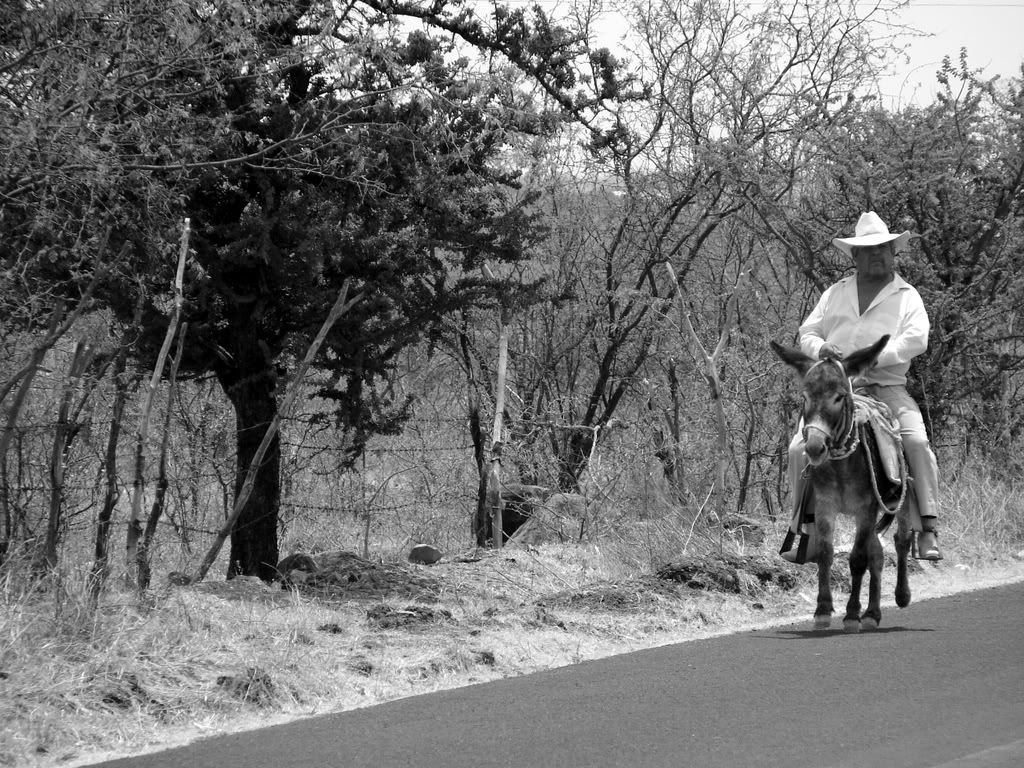
I know you guys really want to come to Mexico now, but you’re not sure what to expect, and there is a slight possibility that some you think everyone wears ponchos and rides donkeys. On the off chance that you need a little Mexico prep help I’ve (along with some Mexican friends) compiled an awesome post of music, movies, books, and cookbooks to get you into the Mexican vibe before your trip.
Viva Mexico!!
Music
As much wish I could record a CD of the ‘Mexican noise’ from the barrio in Bucerias, I fear I’m the only one who would truly enjoy it. So here are some Mexican artists that come HIGHLY recommended by my friend Martha from Playa del Carmen.
  |   |   |   |
Movies
There are so many movies movies that involve Mexico in one way or another that it would be silly sto list them all here. So I’m picking my favourites. Some of them are about famous Mexicans, some are about travel in Mexico, and some simply take place in Mexico. Another great resource is the National Geographic Mexican video collection.
  |   |   |   |   |
  |   |   |   |   |
Blogs
There are a couple Mexican blogs that are worth reading before, and during your travels in Mexico. The following blogs are either written by Mexicans, or by expats in Mexico. Either way there is a wealth of information available for both planning and inspiration.
Go Mexico Guide: a travel site that aims to provide you with useful information about and meaningful experiences in Mexico.
Mexico Travel: an About.com guide written by Suzanne Barbezat. Suzanne has been an expat in Mexico for 15 years and she is a wealth of Mexican knowledge. Suzanne also works as a guide in Oaxaca.
The Other Side of the Tortilla: a Mexican cooking, culture and travel blog showcasing the original writing and photography of Maura Wall Hernandez.
Mexican at Heart: Jessica is a Canadian expat who fell in love with a Mexican and now lives in Mexico City.
Journey Mexico: a fabulous resource website on Mexico that is sure to get your feet itchy!!
Books
Yay! Books about Mexico! These are some of my personal suggestions. Of course if you think I’ve missed something then feel free to leave your suggestions in the comments.
  |   |   |   |   |   |
  |   |   |   |
Learning Spanish
Yes, yes you should attempt to learn Spanish before your trip to Mexico. Sure, some people speak okay English, but your travels will be a lot easier if you can speak some Spanish. Trust me!!


Cook Books
Authentic Mexican food is vastly different from what you’re use to eating at fast food restaurants like Taco Bell, or the stuff you make at home using Old El Paso products. So, if you enjoy cooking, and experimenting, then I suggest trying one or more of the following cookbooks. Mmmmm Mexican food…
  |   |   |   |   |
So, who is ready to book a trip to Mexico and tell me all about where they will be going?
Subscribe to:
Posts (Atom)