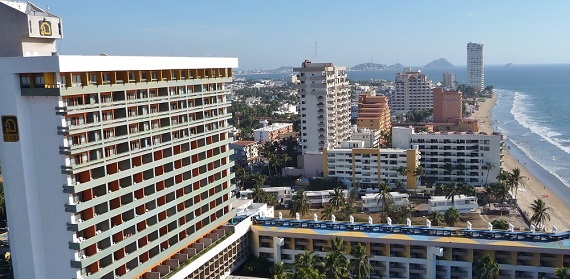
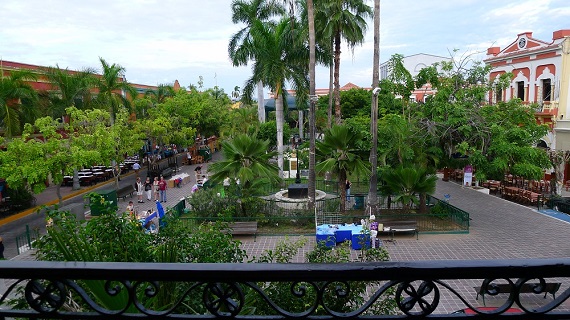
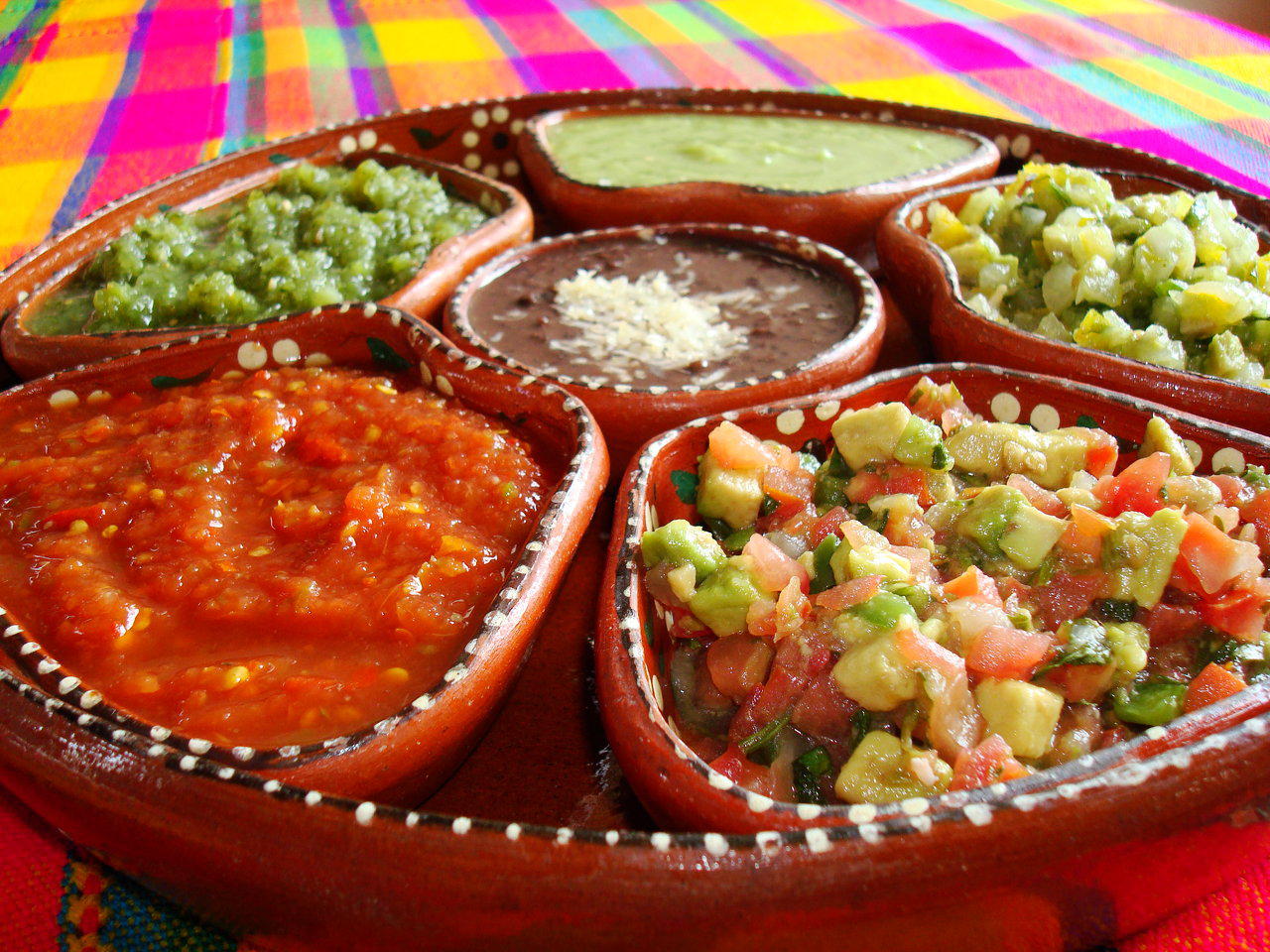
PHOTO: Puerto Vallarta combines art, culture and food with sun and fun.
travelpulse.com
BY: CLAUDETTE COVEY
Mexico offers an astounding number of vacation options, with each region boasting a unique set of tourist attractions. Visitors can take in the pristine beaches of Cancun and Riviera Maya, visit ancient Maya ruins or travel to Acapulco, a city known for its legendary nightlife and La Quebrada cliff divers who leap from heights of 148 feet into the water.
Travelers can also choose to visit Huatulco’s nine gorgeous bays, with 36 beaches, and inlets and coves, or take in the myriad festivities of Carnival in Mazatlan. There’s also Puerto Vallarta, which offers exquisite dining and a unique blend of city and beach attractions.
Following is a snapshot of 10 Mexican destinations, which feature a wide-ranging appeal for an eclectic array of travelers.
1. Acapulco
In 2012 the state of Guerrero launched the Sun Triangle initiative, which promotes the state’s three top tourism destinations: Acapulco, Ixtapa-Zihuatanejo and Taxco.
In 2012 the state of Guerrero launched the Sun Triangle initiative, which promotes the state’s three top tourism destinations: Acapulco, Ixtapa-Zihuatanejo and Taxco.
For its part, Acapulco is undergoing a major tourism renaissance, thanks to citywide urban renewal and private development investment. For starters, the corridor from the airport into Acapulco has been transformed into a polished, landscaped boulevard.
Comprising part of the Playa Revolcadero and a swath of the adjacent Puerto Marques, Diamante is one of Latin America’s most ambitious lifestyle projects and serves as the heart of modern Acapulco. This area sports Acapulco’s finest golf courses (four), luxury condos and resorts, and La Isla Shopping Village. It also includes Mexico’s premier performing arts venue, the Forum Mundo Imperial, which features live performances throughout the year.
In tandem with the Diamante development, infrastructure improvements are underway, including a new Acabus system that will run from the Traditional Zone to the Diamante area. A Macrotunel project is creating a roadway through the mountain that separates Acapulco Bay from the Diamante area.
A new advisory council has been charged with protecting, rehabilitating and revitalizing Traditional Acapulco. The council has proposed initiatives ranging from a marine museum, road and sidewalk improvements and new hotel developments. The cruise ship terminal has already been remodeled.
2. Cancun
Cancun is probably best known for its 14 miles of immaculate beaches. The destination, however, features a rich Mayan history and plenty of activities both in and out of the water. Although Cancun’s history is ancient, the city itself is relatively new, dating back to 1967 when the Mexican government began developing the area as a tourism destination.
Cancun is probably best known for its 14 miles of immaculate beaches. The destination, however, features a rich Mayan history and plenty of activities both in and out of the water. Although Cancun’s history is ancient, the city itself is relatively new, dating back to 1967 when the Mexican government began developing the area as a tourism destination.

PHOTO: Cancun is best known for its 14 miles of beaches.
Here, travelers can snorkel in an underwater museum, swim with whale sharks and climb Coba’s Nohoch Muul Pyramid, the tallest in the Yucatan Peninsula. Coba is not the only Maya site in the mix. Travelers can also take excursions to Tulum or Chichen Itza as well. They can also visit picturesque Isla Mujeres and Cozumel, which are short ferry rides away.
There are plenty of beach-based activities as well: swimming, snorkeling, diving, sailing, fishing, water-skiing and parasailing. Travelers will also find plenty of top-notch golf courses and excellent shopping options.
Cancun is home to hundreds of varieties of protected flora and fauna. The wildlife refuge Isla Contoy harbors 114 species of protected birds and marine and land animal life. Travelers can also visit the Cancun Underwater museum, which features 500 life-size sculptures in the waters surrounding Cancun and Isla Mujeres. At the eco-parks Xcaret, Xel-há, Xplora, and Selvática, they can spend the day swimming through underwater caves or with dolphins.
3. Huatulco
Set in the state of Oaxaca at the edge of the Sierra Madre Mountains, Huatulco stretches along 20 miles of Mexico’s Pacific coastline between the Coyula and Copalita rivers.
Set in the state of Oaxaca at the edge of the Sierra Madre Mountains, Huatulco stretches along 20 miles of Mexico’s Pacific coastline between the Coyula and Copalita rivers.
Fonatur, the government tourism development agency, targeted the area for resort development in 1980. By 1988 the Bahias de Huatulco (Bays of Huatulco National Park) was designated as a protected reserve. Today, it is home to a wide array of hotels, restaurants, nightclubs, discos and golf courses.
The centerpiece of Huatulco’s appeal is the area’s nine bays, comprising 36 beaches, and inlets and coves. A three-hour boat ride, which can be arranged by local operators, will introduce travelers to the area’s beaches, and flora and fauna.
Huatulco’s placid bays are a perfect setting for an array of watersports, including swimming, snorkeling, jetskiing, windsurfing, sailing, diving and snorkeling. Tangolunda and Santa Cruz boast the best watersports facilities of the nine bays.
Travelers may want to consider taking an excursion to the verdant hillside town of Puerto Escondido, located about 68 miles up the coast from Huatulco. The destination has also earned a reputation for world-class surfing due to the formidable waves found at Zicatela Beach.
4. Ixtapa/Zihuatanejo
Ixtapa and Zihuatanejo are often visited in the same trip but offer travelers decidedly different experiences.
Ixtapa and Zihuatanejo are often visited in the same trip but offer travelers decidedly different experiences.
Ixtapa boasts high-rise hotels, all-inclusive resorts, air-conditioned restaurants and upscale shopping options. For its part, Zihuatanejo is more low key, with meandering streets replete with galleries and folk art shops, boutique hotels and palapa-style restaurants.
Conceived and developed by Fonatur, Ixtapa was born in the 1970s, and features an ecology-minded master plan that requires half the land in the development be kept as ecological reserve. The destination has matured nicely, with the town appointed in a tropical canopy of verdant tropical foliage. A complex of handicraft stalls, boutiques, designer stores, bars, coffee shops and restaurants run parallel to the Hotel Zone. Taxis are rarely needed to access attractions.
For its part, Zihuatanejo has evolved from a quiet fishing village to a vacation destination. It comprises three side-by-side coves linked by a road that rises over hills and cliffs into the Pacific. The stone-paved streets of
Zihuatanejo’s Paseo del Pescador take visitors past the panga fishing fleet, public art displays and small boutiques and cafés and bars.
Active vacationers can stay busy with watersports, golf, deep sea fishing and boat excursions. The destination also offers eco-adventures and educational tours.
Taxco is an authentic 16th-century Spanish mining town, featuring a hillside maze of narrow cobblestoned streets and red-roofed residences. At every turn, travelers will find stores that sell its locally produced silver jewelry.
The town’ showpiece is the Santa Prisca church, set against the dramatic Sierra Madre Mountains. The surrounding area includes nature parks, waterfalls, caves 16th-century haciendas and rural communities. Travelers here will find a range of eco-adventure activities.
5. Los Cabos
Los Cabos comprises three distinct areas: San José del Cabo, Cabo San Lucas and the 20-mile Corridor, or highway, connecting them.
Los Cabos comprises three distinct areas: San José del Cabo, Cabo San Lucas and the 20-mile Corridor, or highway, connecting them.

PHOTO: Unspoiled beaches are a highlight of the Los Cabos Corridor.
On Sept. 14, Hurricane Odile made landfall at the destination, causing serious devastation. Rebuilding efforts, however, have been swift and effective, with many hotels already opened again, along with local businesses, attractions and golf courses. Air service has also been restored to the region.
San Jose del Cabo retains the look and ambiance of a traditional Mexican town, with cobblestone streets, intimate restaurants and boutiques. Cabo San Lucas, meanwhile, features a livelier vibe, with a diverse array of bars and the Luxury Avenue Mall centered around the marina.
Many of the destination’s luxury resorts and championship golf courses are located along the Corridor, which is also home to some of the area’s best beaches for watersports.
Los Cabos is also firmly entrenched as a golf destination, offering courses designed by such notables as Norman and Weiskopf, which can be found along the 25-mile Corridor between Cabo San Lucas and San José del Cabo. Big game fishing is another major attraction here, and Cabo San Lucas’ marina has 380 slips accommodating vessels up to 200 feet. Other activities include scuba diving, snorkeling, kayaking quiet-riding ATVs, cycling and horseback riding.
6. Manzanillo
Mazatlan serves as a popular weekend getaway for Guadalajara residents and also attracts its fare share of Americans and Canadians. In 1996 its downtown area was restored. More recent renovations include a harbor-side esplanade and a “dancing fountain” robotic water show.
Mazatlan serves as a popular weekend getaway for Guadalajara residents and also attracts its fare share of Americans and Canadians. In 1996 its downtown area was restored. More recent renovations include a harbor-side esplanade and a “dancing fountain” robotic water show.
Just a few miles up the coastline is the destination’s resort zone. Bahia Manzanillo to the south carries most of the development, while Bahia San Diego, farther up the coast, is largely undeveloped.
Known as the Sailfish Capital of the World, Manzanillo’s waters are filled with marlin and sailfish, as well as a variety of other marine life. Manzanillo hosts annual fishing tournaments that attract sports fisherman from around the globe. But fishing is not its only draw. Visitors to Cuyutlán beach can snorkel, scuba dive and surf. The destination also has two world-class golf courses.
For scenic touring outside Manzanillo, travelers can head north along the Costalegre and Highway 200, into the neighboring state of Jalisco. The 153-mile highway runs between Manzanillo and Puerto Vallarta, and takes in the sites of fruit plantations, deserted beaches and tranquil fishing villages.
Nature enthusiasts can take advantage of Costalegre’s cliff-top trails, which shelter beautiful, isolated beaches. Stringent gentrification campaigns have kept 150 miles of shoreline between Manzanillo, Colima and Puerto Vallarta virtually untouched. The area also offers hiking, horseback riding, tennis, golf and watersports options.
7. Mazatlan
This colonial city on the beach offers guests equal amounts of cultural and outdoor tourism options. The city is the only beach resort in Mexico with a downtown filled with beautifully restored 19th-century buildings. No trip to Mazatlan would be complete without a walk along the 11-mile Malecon, which extends from the beachfront resort district to Old Mazatlan.
This colonial city on the beach offers guests equal amounts of cultural and outdoor tourism options. The city is the only beach resort in Mexico with a downtown filled with beautifully restored 19th-century buildings. No trip to Mazatlan would be complete without a walk along the 11-mile Malecon, which extends from the beachfront resort district to Old Mazatlan.
The Zona Dorada (Golden Zone) was created in the 1960s and is the site of many major hotels, shops, bars and restaurants, along with beautiful beaches. Old Mazatlan or the Centro Historico (Historic Center), is where life hearkens back to another time, as evidenced in the area’s markets, cafés, churches, plazas and traditional neighborhoods. A third area, Nuevo Mazatlan, is where many newer major resorts are found, as well a marina and two new golf courses.
The destination is renowned as one of Mexico’s best fishing venues, with its waters featuring 800 species of fish. Travelers can also explore its jungle-lined canals, kayak and surf.
Mazatlan also plays host to huge numbers of revelers who come to the destination for Carnival in last week of February or the beginning of March.
8. Puerto Vallarta
Last year, the Mexico Tourism Board announced a $10 million advertising campaign to jointly promote Puerto Vallarta and Riviera Nayarit. The two destinations, however, are also still promoted individually as well.
Last year, the Mexico Tourism Board announced a $10 million advertising campaign to jointly promote Puerto Vallarta and Riviera Nayarit. The two destinations, however, are also still promoted individually as well.
Nestled on the shores of the Bay of Banderas, Puerto Vallarta is divided by the Cuale River into north and south.
On the southern end is the charming Romantic Zone and the Playa los Muertos, which draws legions of beach enthusiasts. Further south are seaside villages of Boca de Tomatlan and Mismaloya, where “The Night of the Iguana” was filmed. North of the river is the Old Town with its Plaza de Armas (main square) and Los Arcos amphitheater, featuring daily performances.
The city’s venerable Malecon with is whimsical bronze sculptures runs from the Romantic Zone to the start of the Hotel Zone. Further north, travelers will find the Hotel Zone and marina, the site of many resorts and restaurants.
Virtually every imaginable watersport is available along Puerto Vallarta’s miles of shoreline, including whale watching, surfing, deep-sea fishing, kayaking, snorkeling, scuba diving and sailing.
On the weekends, the city’s main square and Malecon come alive with artists displaying their works, food stands and strolling tourists and locals. Puerto Vallarta also offers great shopping from local artists and craft fairs. In fact, the city boasts one of the most dynamic art scenes in Mexico.
9. Riviera Maya
The Riviera Maya comprises an 86-mile corridor, located in the northeast coast of the Yucatan Peninsula in the state of Quintana Roo. The destination starts in the village of Puerto Morelos, located about 22 miles south of Cancun, and extends south to the Sian Ka’an Biosphere through the town of Punta Allen.
The Riviera Maya comprises an 86-mile corridor, located in the northeast coast of the Yucatan Peninsula in the state of Quintana Roo. The destination starts in the village of Puerto Morelos, located about 22 miles south of Cancun, and extends south to the Sian Ka’an Biosphere through the town of Punta Allen.
It includes the resort towns of Playa del Carmen, Puerto Aventuras, Akumal and Tulum.
More than 2,000 years ago, the Maya built cities, which are still evidenced today in three archaeological sites: Cobá, Muyil and Tulum. Tulum is the most picturesque, as it’s the only Mayan city built seaside.
The Playa del Carmen region boasts excellent venues for zip-lining, scuba and snorkeling, fishing and ATV tours. Other highlights include exploring sinkholes (called cenotes); visiting the theme parks of Xplor, Hidden Worlds and Aventuras Mayas and Xcaret.
Golfers will find a range of championship golf courses in the Riviera Maya, many of which are carved out of jungle, mangroves and beaches and are available for year-round play.
10. Riviera Nayarit
Set between the Pacific Ocean and the Western Sierra Madre Mountains, Riviera Nayarit spans the Pacific coastline for nearly 200 miles, with its southern border just 10 minutes north of the Puerto Vallarta International Airport.
Areas include Sayulita, a popular beach village on the coast; Punta Mita, which boasts a portfolio of resorts of all types, as well as two Jack Nicklaus golf courses; San Blas, a quiet town known for it’s Old-World charm; Nuevo Vallarta, with its myriad all-inclusive resorts; and Litibu, a relatively new resort area that includes a new Greg Norman golf course.
All told, Riviera Nayarit features six golf courses to choose from. The destination also offers adventurous travelers such activities as ATV excursions and canopy zip-lining tours, horse-riding on the beach, 4x4 off-road excursions and the baby sea turtle release, just to name a few.
The region also offers its fair share of pristine beaches and watersports options. Travelers can swim with dolphins, scuba diver, surf and whale watch.